What Is a Nebulizer? A Complete Guide for Healthcare Suppliers
News Details
Respiratory health remains a top priority for medical clinics, home healthcare agencies, and medical equipment distributors. When patients face breathing difficulties from conditions like asthma or COPD, quick drug delivery is essential. A common device used in these care plans is a nebulizer.
Understanding how these devices work helps medical equipment buyers choose the right supplies for their inventory.
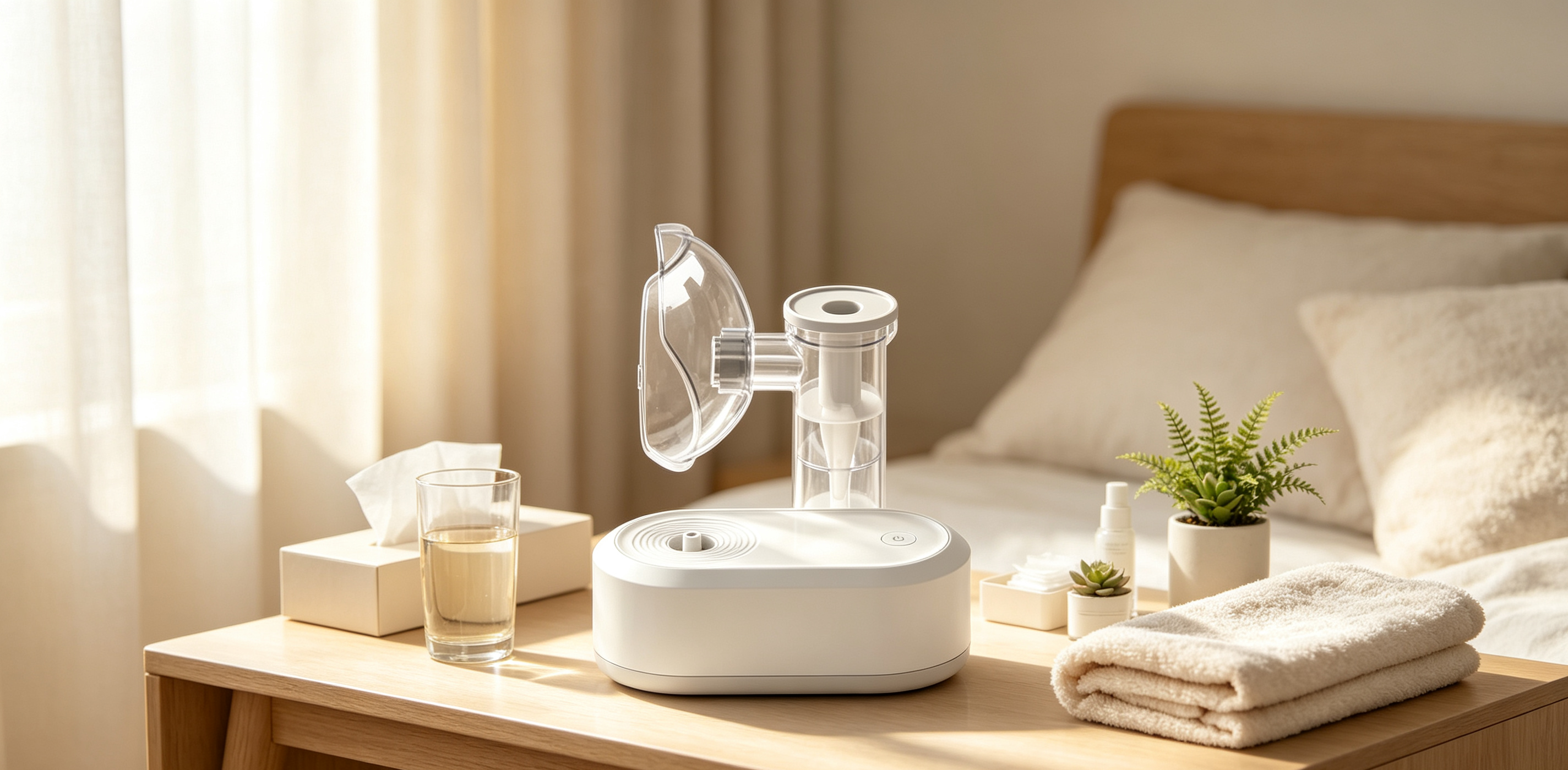
What Does a Nebulizer Do?
So, what does a nebulizer do during treatment? In simple terms, it converts liquid medicine into a fine mist. Patients can then inhale this mist directly into their lungs through a mouthpiece or a nebulizer mask.
Because the mist travels right into the respiratory tract, the medicine starts working fast. In addition, this direct route reduces side effects that often come with oral tablets or injections. For patients with narrow or swollen airways, inhaling a soothing mist provides fast relief.
What Is the Main Purpose of a Nebulizer?
To answer this clearly: What is the main purpose of a nebulizer in clinical practice?
The primary goal is to deliver quick-acting or preventative respiratory medications deep into the lungs. Inhalers are very common, but they require a patient to take a deep, timed breath. However, young children, elderly patients, or individuals during an acute asthma attack may struggle with that timing.
Therefore, a nebulizer machine solves this issue by delivering medication over several minutes through normal, steady breathing. The main purpose includes:
-
Relieving Sudden Symptoms: Rapidly opening tight airways during an attack.
-
Managing Chronic Conditions: Delivering daily maintenance medications for asthma, COPD, or cystic fibrosis.
-
Aiding Weak Breathers: Providing effortless drug absorption without requiring forceful inhalation.
Main Components of a Nebulizer Machine
A standard medical setup includes a few key parts that work together:
-
Compressor Unit: The electric base that pumps air or oxygen through liquid medication.
-
Medicine Cup: The small container where liquid medicine is held.
-
Tubing: The flexible hose connecting the compressor to the cup.
-
Delivery Interface: A mouthpiece or a nebulizer mask (sometimes referred to as a masker nebulizer setup) that fits comfortably over the patient's nose and mouth.
For pediatric or elderly patients, using a soft nebulizer mask ensures that no mist escapes, making each treatment effective and comfortable.
How to Use Nebulizer Equipment Step-by-Step
Medical staff and caregivers must follow clear, hygienic protocols when administering treatment. Here is a brief overview of how to use nebulizer devices correctly:
-
Preparation: Wash hands thoroughly with soap and warm water. Place the compressor on a flat, stable surface near a power outlet.
-
Add Medication: Measure the prescribed dose and pour it into the medicine cup.
-
Connect Parts: Attach one end of the tubing to the machine base and the other end to the bottom of the cup. Attach the mouthpiece or nebulizer mask to the top of the cup.
-
Administer Treatment: Place the mask comfortably over the patient's nose and mouth, or have them grip the mouthpiece between their teeth. Turn on the unit.
-
Breathe Normally: Instruct the patient to take slow, deep breaths until all the liquid mist is gone, which usually takes 5 to 15 minutes.
-
Clean Up: Turn off the machine, rinse the cup and mask with warm water, and let them air dry completely.
Sourcing Quality Respiratory Equipment
Having a reliable supply of medical hardware is crucial for clinics, hospitals, and long-term care facilities. Having dependable equipment ensures patients receive uninterrupted care.
For high-quality medical supplies and durable healthcare products, you can explore trusted industry options atProvisionHealthcare. Choosing durable, clinical-grade devices protects patient health and streamlines day-to-day operations for healthcare teams.


