How PSA Oxygen Concentrators Maintain Oxygen Purity
News Details
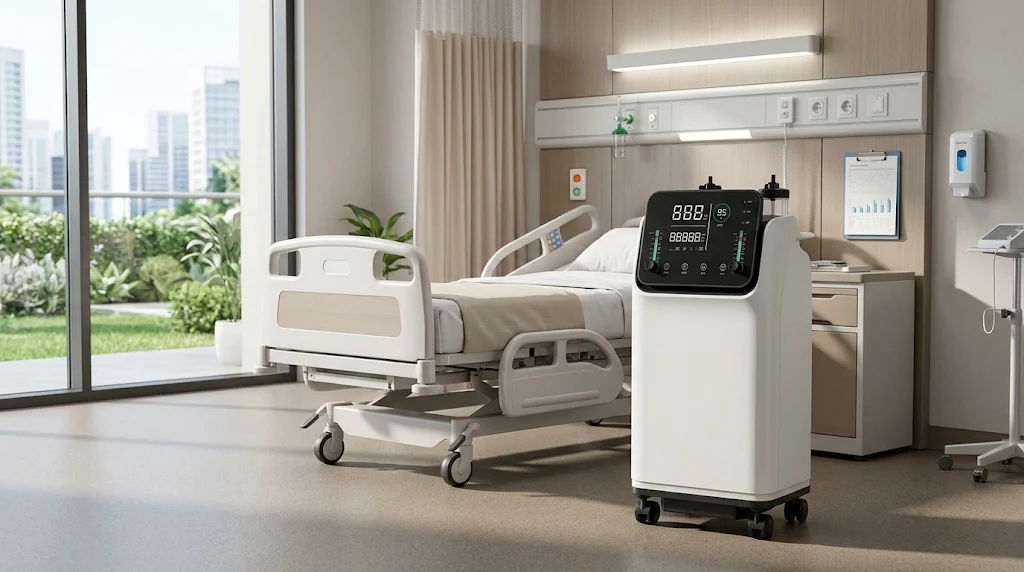
When selecting a medical oxygen concentrator, oxygen purity stands out as one of the most critical performance criteria. For hospitals, homecare providers, and medical equipment distributors, stable oxygen output is essential for reliable equipment performance.
Most stationary oxygen concentrators leverage Pressure Swing Adsorption (PSA) technology to separate oxygen from ambient air, relying on molecular sieve materials to remove nitrogen and generate oxygen-rich gas.
But how does a PSA oxygen concentrator maintain oxygen purity during continuous operation? And what affects oxygen concentrator purity over time? Understanding these factors helps B2B buyers evaluate product quality and plan long-term maintenance.
1. What Is PSA Technology in an Oxygen Concentrator?
PSA stands for Pressure Swing Adsorption, a gas separation process that uses pressure fluctuations to separate oxygen from other atmospheric gases.
Ambient air consists of roughly 21% oxygen, 78% nitrogen, and trace amounts of other gases. A PSA oxygen concentrator isolates most of the nitrogen to increase the oxygen concentration.
The process mainly includes four steps:
-
Air intake: The compressor draws ambient air into the machine through an air filter.
-
Compression: The air is compressed and sent to the molecular sieve beds.
-
Nitrogen adsorption: Under pressure, the molecular sieve adsorbs nitrogen while oxygen-rich gas passes through.
-
Regeneration: The pressure drops, allowing the trapped nitrogen to leave the sieve bed.
Most stationary units utilize two sieve beds that alternate between adsorption and regeneration, enabling the machine to deliver a continuous oxygen supply.
2. How Does a Molecular Sieve Oxygen Concentrator Work?
The molecular sieve is the core component of a molecular sieve oxygen concentrator, typically made of synthetic zeolite—a material characterized by a network of microscopic pores.
These pores enable selective adsorption of nitrogen under pressure. Oxygen passes through the sieve bed into the oxygen storage tank.
As the first sieve bed becomes saturated with nitrogen, the system depressurizes it to release the trapped gas. Simultaneously, the second bed continues to separate nitrogen from incoming air.
This alternating process maintains a stable oxygen supply.
However, the molecular sieve must remain in optimal condition. Contamination or degradation of its adsorption capacity can cause the machine to output oxygen at a reduced concentration.
3. What Factors Affect Oxygen Concentrator Purity Over Time?
Even a well-designed oxygen purity concentrator can experience performance changes during long-term use. Several factors can affect its oxygen output.
Molecular Sieve Aging and Contamination
Molecular sieves gradually lose performance due to prolonged operating hours and suboptimal working conditions.
Moisture, oil, and other contaminants can compromise their nitrogen adsorption capacity, leading to decreased oxygen purity.
Using clean intake air and following the recommended maintenance schedule can help protect the sieve beds.
Dirty Air Filters
Air filters prevent dust and particles from entering the machine. However, dirty or blocked filters can restrict airflow.
This places additional strain on the compressor and disrupts the PSA separation process.
Therefore, filters should be cleaned or replaced according to the manufacturer's instructions.
Compressor Performance
The compressor generates the pressure required for nitrogen adsorption. If it fails to maintain the necessary pressure, the molecular sieve may not operate as intended.
Worn components, overheating, and inadequate maintenance can all impair compressor performance.
Valve Leakage and Airflow Problems
PSA systems rely on precise pressure differentials between sieve beds. Leaking, sticking, or malfunctioning valves can destabilize the adsorption and regeneration cycles.
Air leaks can also reduce system pressure and affect oxygen concentration.
Operating Environment and Flow Settings
High temperatures, dusty environments, poor ventilation, and unsuitable humidity levels can negatively impact equipment performance.
Additionally, operating the machine beyond its rated flow capacity may lower oxygen concentration.
For this reason, buyers should check oxygen purity at different flow settings, especially at the maximum rated output.
4. How Can Buyers Check and Maintain Oxygen Purity?
For medical equipment distributors and homecare providers, regular performance checks are important for long-term product reliability.
Here are five practical maintenance steps:
-
Clean air filters: Follow the user manual for filter cleaning and replacement intervals.
-
Check oxygen concentration: Use a suitable oxygen analyzer to measure output purity under the specified test conditions.
-
Inspect airflow: Check tubing, connectors, and other airflow components for leaks or blockages.
-
Maintain the compressor: Follow the recommended service schedule and check for unusual noise or overheating.
-
Inspect the molecular sieve: If oxygen purity remains low after basic checks, arrange professional inspection.
If the machine triggers a low-oxygen alarm, trained technicians must identify and resolve the cause before returning it to service.
For B2B buyers, a clear maintenance plan also helps reduce repair costs and improve after-sales service.
5. What Should B2B Buyers Check When Selecting a PSA Oxygen Concentrator?
Choosing an oxygen concentrator involves more than checking its maximum flow rate. Buyers should review several technical and service factors.
Oxygen concentration: Check the rated oxygen concentration and confirm whether it remains stable at different flow settings.
Flow rate: Match the available output range with your target market's requirements. A 5L or 10L model may exhibit varying purity performance at maximum flow.
Molecular sieve quality: Inquire about the sieve material, supplier quality controls, and expected service conditions.
Alarm systems: Check whether the device includes low-oxygen, power-failure, and temperature alarms.
Maintenance support: Confirm the availability of replacement filters, molecular sieves, compressor parts, and technical service.
Also, request product test reports and technical datasheets before placing a bulk order.
6. Provision Healthcare: Reliable Oxygen Concentrator Solutions for B2B Buyers
Provision Healthcare delivers respiratory care and medical equipment solutions for international distributors, wholesalers, and healthcare businesses.
Its ZY-5AW Series Clinical & Home Use High-Flow Oxygen Concentrator utilizes PSA molecular sieve technology to separate oxygen from ambient air.
Key product specifications include:
-
Flow range: 0.5–5 L/min
-
Oxygen concentration: 93% ±3%
-
Input power: 500 VA
-
10-inch LED display
-
Nebulizer function
These features make the ZY-5AW a product option for distributors looking to expand their stationary oxygen concentrator range.
Provision Healthcare also supports OEM/ODM cooperation. Business buyers can discuss product specifications, customization needs, and wholesale orders with the team.
Frequently Asked Questions
How long does a molecular sieve last in an oxygen concentrator?
Its service life depends on the sieve material, operating hours, air quality, and maintenance conditions. Buyers should follow the manufacturer's replacement recommendations rather than rely on a fixed service life.
Why does oxygen concentrator purity decrease?
Common causes include molecular sieve contamination, blocked filters, weak compressor pressure, valve leakage, and operation beyond the rated flow range.
Does a higher flow rate reduce oxygen purity?
It can. Some concentrators produce lower oxygen concentrations at higher flow settings. Buyers should always check the manufacturer's purity specifications across the full flow range.
How can distributors reduce oxygen concentrator maintenance costs?
Choose reliable equipment, follow preventive maintenance schedules, keep replacement parts available, and provide clear maintenance instructions to end users.
Conclusion
A PSA oxygen concentrator maintains oxygen purity through a continuous cycle of nitrogen adsorption and sieve regeneration. However, its long-term performance depends on molecular sieve condition, air quality, compressor pressure, valve operation, and proper maintenance.
For B2B buyers, understanding these factors makes it easier to compare products, manage maintenance costs, and select reliable equipment for different healthcare markets.
Looking for a dependable medical oxygen concentrator supplier? Contact Provision Healthcare to explore its oxygen concentrator range and discuss your wholesale or OEM/ODM requirements.


