Compressor vs Mesh Nebulizer: Which Fits Your Market Best?
News Details
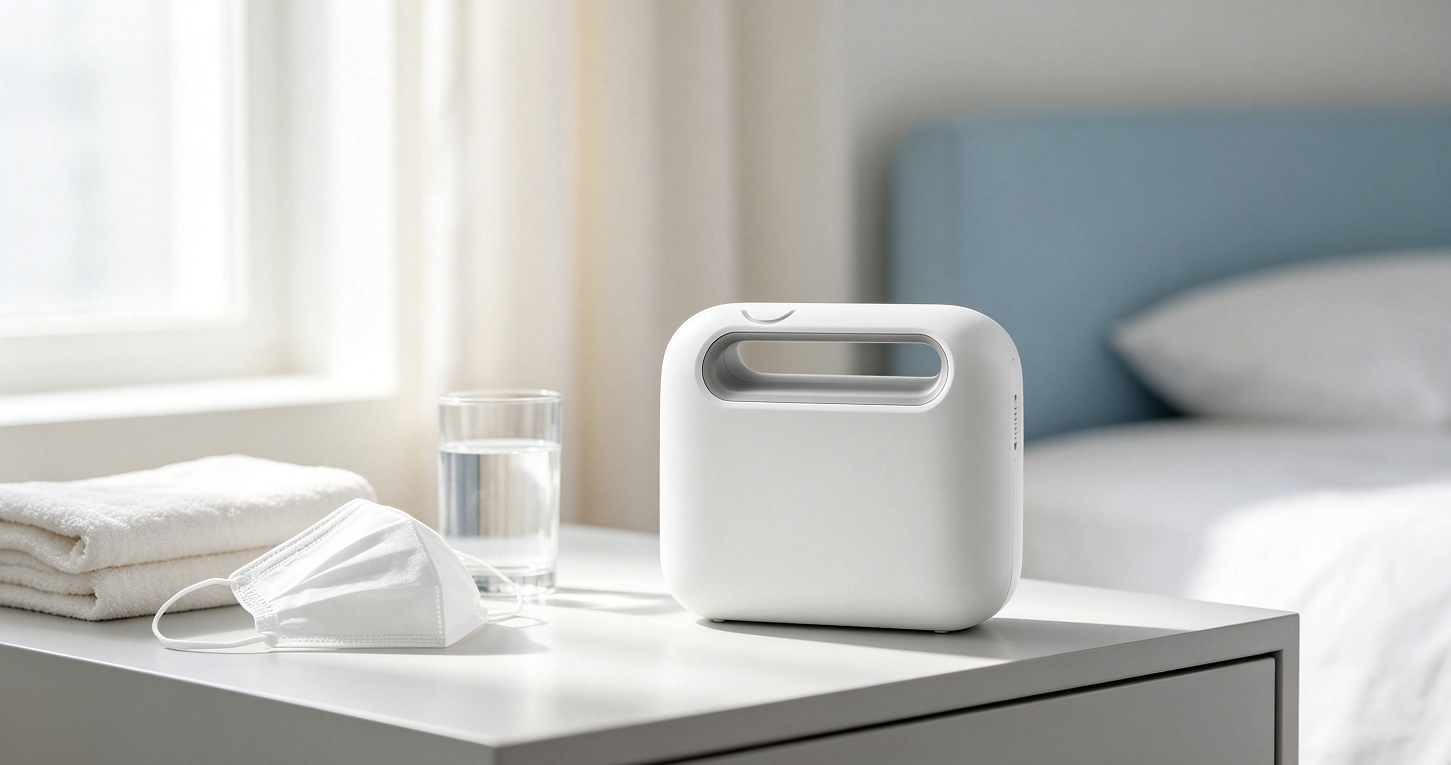
Selecting the right respiratory care products is a key decision for medical equipment distributors and healthcare supply buyers. Today, aerosol therapy devices are in high demand across hospitals, clinics, and home care settings. However, end users have very different needs depending on where and how they receive care.
As a trusted global brand, Provision Healthcare helps distributors build strong product portfolios tailored to local market demands. When sourcing from an establishednebulizer manufacturer, buyers usually choose between two main options: traditional jet compressor models and modern portable mesh models.
Below is a detailed breakdown comparing the compressor vs mesh nebulizer to help you choose the best inventory mix for your market.
1. Understanding Compressor Nebulizers: Power and Durability
Compressor nebulizers have been the reliable standard for medical aerosol therapy for decades. These systems use compressed air to break liquid medication into a fine mist that patients can easily inhale.
Key Operational Characteristics
-
Heavy-Duty Performance: Built with robust motors, compressor units run reliably through continuous daily clinic sessions.
-
Cost-Effective Sourcing: Manufacturing costs are lower, making them an affordable choice for budget-conscious markets.
-
Broad Drug Compatibility: The strong airflow handles thick medications and viscous suspensions without clogging.
Because of these benefits, partnering with a dependable compressor nebulizer supplier gives distributors access to stable, high-volume products for primary care facilities and home health programs.
2. Exploring Mesh Nebulizers: Portability and Quiet Operations
Vibrating mesh nebulizers represent the newest wave of respiratory delivery technology. These compact devices push liquid medicine through thousands of laser-drilled micro-holes in a tiny metal plate. This creates an extremely fine mist with minimal drug waste.
Key Operational Characteristics
-
Silent Working Mechanism: Unlike noisy compressor motors, mesh units operate almost silently. This makes them ideal for young children or nighttime treatments.
-
Compact and Handheld: Patients can easily slip the lightweight device into a pocket or travel bag.
-
Battery Power Options: Most models run on standard AA batteries or rechargeable USB ports, giving users true mobility.
By securing mesh nebulizer wholesale agreements, suppliers can tap into growing consumer demand for premium, travel-friendly respiratory care.
3. Side-by-Side Comparison for B2B Sourcing
To help guide your bulk purchasing decisions, here is a clear comparison of how both product types compare across key operational factors.
| Feature / Factor | Compressor Nebulizer | Mesh Nebulizer |
| Primary Setting | Hospitals, clinics, stationary home care | Travel, active lifestyles, pediatric care |
| Noise Level | Moderate motor noise | Virtually silent operation |
| Power Source | AC wall outlet | Internal rechargeable battery or AA batteries |
| Unit Price Point | Low to moderate entry cost | Premium pricing tier |
| Maintenance Needs | Durable; easy filter and tube changes | Requires delicate cleaning of the mesh plate |
4. Matching the Right Product to Your Market Segment
Different customer groups have distinct preferences and budgets. Therefore, balancing both options in your catalog ensures broad market coverage.
Target Institutional Healthcare Facilities
Hospitals, emergency rooms, and public health clinics prefer compressor units. These buyers focus heavily on long-term durability, low unit cost, and simple maintenance schedules over portability.
Target Home Care and Pediatric Outlets
Pharmacies, retail medical shops, and online retailers sell higher volumes of mesh models. Parents buying for infants, active adults with asthma, and elderly patients who travel often favor quiet, handheld designs.
What to Look For in an OEM Nebulizer Partner
Expanding your respiratory care line requires working with a certified manufacturing partner. Quality control and international compliance are vital to avoiding regulatory delays and securing long-term profits.
A reliable nebulizer manufacturer should provide:
-
Full Regulatory Compliance: CE marks, ISO certifications, and FDA clearances for smooth clearance through customs.
-
Flexible OEM/ODM Options: Custom branding, tailored packaging, and custom casing designs to build your brand presence.
-
Strict Quality Assurance: Multi-stage quality testing to ensure low defect rates across high-volume production runs.
-
Dependable Logistics Support: Clear manufacturing schedules that keep your distribution centers stocked year-round.
Final Thoughts
Both product types hold clear value in today's respiratory health market. Compressor models offer unbeatable durability and cost efficiency for clinical settings, while mesh models offer high convenience and mobility for active users.
Sourcing a balanced inventory mix of both technologies allows your business to meet diverse buyer needs and grow market share.
Ready to expand your respiratory care product line with certified manufacturing solutions? Contact Provision Healthcare today to discuss wholesale terms, OEM options, and custom distribution partnerships.


