How Are Smart CPAP and Remote Patient Monitoring Reshaping Sleep Care in 2026?
News Details
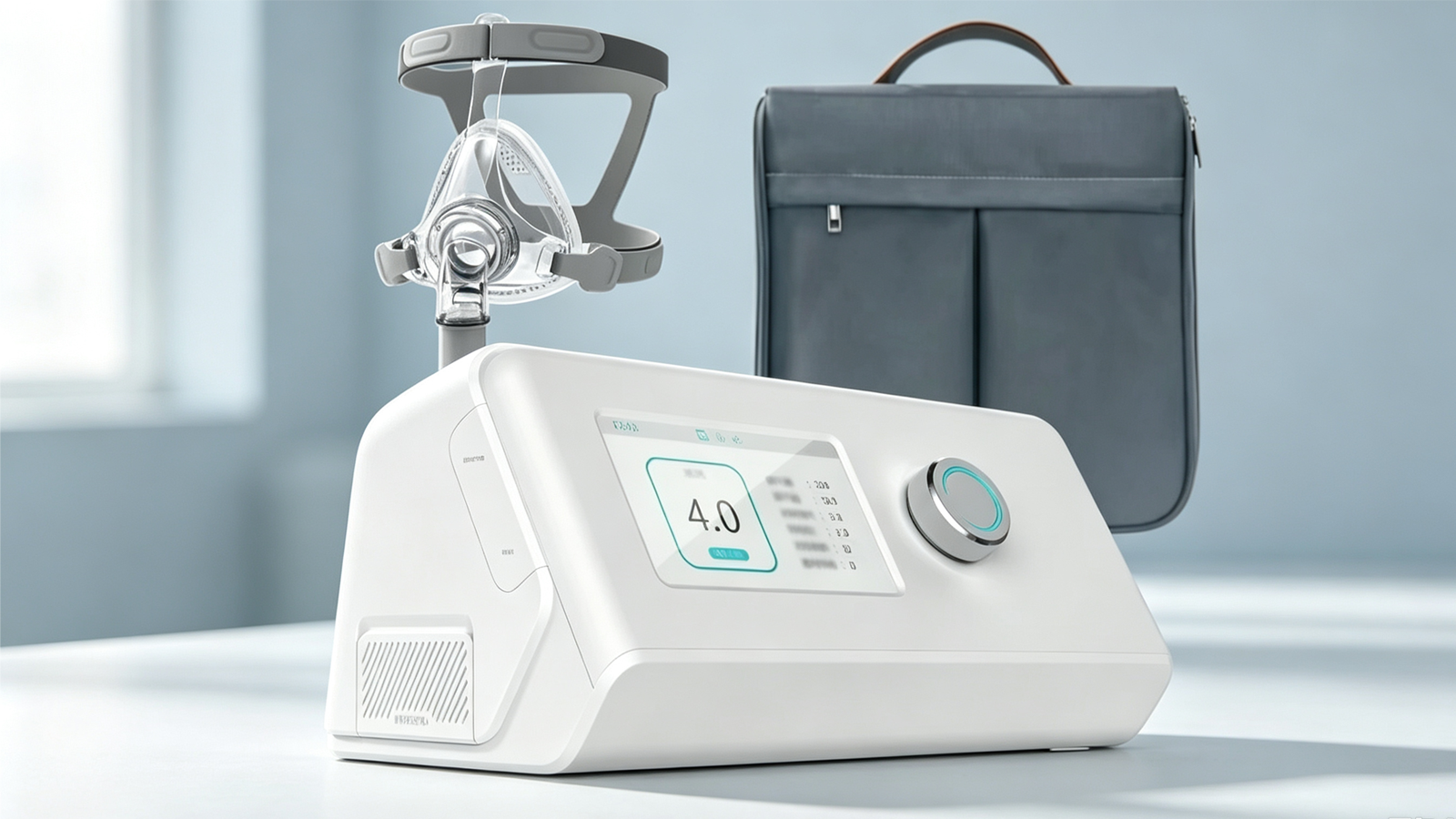
The sleep therapy market is moving faster than ever. Healthcare providers and medical equipment distributors face growing demand for real-time data, better patient care, and smarter devices. Today, continuous positive airway pressure therapy goes far beyond basic airflow delivery.
As a trusted medical partner, Provision Healthcare helps equipment distributors and care networks adapt to these rapid industry shifts. By partnering with a top-tier CPAP machine manufacturer and reliable BiPAP manufacturer, businesses can deliver modern connected platforms that improve clinical results and raise long-term profitability.
Below are the major trends shaping smart CPAP and remote CPAP monitoring in 2026, along with key insights for healthcare leaders.
1. Connected CPAP Systems Drive High Adherence
Low patient compliance has always been a major headache for sleep clinics and home medical suppliers. Traditional devices often leave clinical teams in the dark until a patient returns for a check-up.
Fortunately, modern connected CPAP technology solves this issue directly. Built-in cellular and Wi-Fi modules send daily sleep data straight to secure cloud servers. As a result, care teams can review mask leak rates, pressure adjustments, and total usage hours without waiting for an office visit.
Key benefits of real-time connectivity include:
-
Early Intervention: Clinicians spot comfort issues right away before patients give up on therapy.
-
Automated Support: Patients receive fast feedback through mobile apps, which keeps them motivated.
-
Streamlined Billing: Insurance providers receive accurate usage data faster, simplifying reimbursement.
Because of these features, partnering with an experienced CPAP supplier ensures that distributors get robust devices designed for modern care networks.
2. AI Auto CPAP Optimizes Real-Time Therapy
Static pressure settings are rapidly becoming a thing of the past. Today's sleep care relies on intelligent algorithms that adapt instantly to every breath.
An advanced AI auto CPAP system monitors breathing patterns continuously throughout the night. When it detects an airway blockage or micro-arousal, the device alters air pressure in real time. This micro-tuning protects restful sleep while keeping pressure at the lowest comfortable level.
In addition, AI algorithms learn from historical patient data over time. Consequently, the device can predict positional apnea shifts or mask leaks and adjust settings before deep sleep breaks. This smooth experience dramatically improves nightly usage rates.
3. Remote CPAP Monitoring Streamlines Clinical Operations
Healthcare manpower remains tight across the globe. Therefore, clinics need digital tools that save time while keeping patient care high.
Modern remote CPAP monitoring platforms pool data across thousands of active patients into a single central dashboard. Instead of checking every user manually, staff review automated alerts that flag high-risk cases.
| Remote Monitoring Feature | Operational Benefit |
| Automated Alerts | Flags excessive mask leaks or sudden drops in therapy hours automatically. |
| Remote Parameter Adjustments | Allows clinicians to change pressure settings over the air without an office visit. |
| Population Dashboards | Groups patients by compliance risk to focus clinical time where it matters most. |
This proactive approach saves office hours, cuts down on unneeded visits, and helps care providers manage far more patients with ease.
4. Advanced Adherence Tracking Boosts Long-Term Success
In the B2B healthcare supply chain, long-term success relies on reliable adherence tracking. Insurance payors require proof that patients use their therapy machines consistently. If a patient stops using the device, reimbursement halts, and equipment suppliers suffer financial losses.
Integrated tracking platforms simplify compliance management by:
-
Sending friendly push notifications to patients who miss therapy sessions.
-
Generating compliance reports for payors with just one click.
-
Supplying replacement parts like masks, filters, and tubing based on real usage data.
By automating compliance workflows, providers protect recurring revenue while ensuring patients stick to their prescribed treatment plans.
What Should B2B Buyers Look for in a Manufacturing Partner?
Choosing the right supply partner is critical as smart respiratory technology evolves. Equipment suppliers must look beyond basic manufacturing costs and focus on total product value.
When selecting a partner, look for:
-
Strong R&D Capabilities: A forward-thinking CPAP machine manufacturer continuously updates firmware, cloud portals, and device connectivity.
-
Versatile Product Lines: Working with a versatile BiPAP manufacturer lets you serve complex respiratory conditions beyond standard sleep apnea.
-
Rock-Solid Security: Devices must meet international health data security standards to protect patient privacy online.
-
Reliable Global Logistics: Dependable manufacturing schedules prevent supply chain delays and keep stock levels steady.
Final Thoughts
The sleep health market in 2026 belongs to smart devices and remote care. Smart CPAP technology, continuous adherence tracking, and cloud management are no longer luxury options—they are essential tools for growth.
By expanding your inventory with advanced connected CPAP units, your business can lower operational costs, improve patient compliance, and secure a strong market position.
Looking to update your sleep therapy inventory with state-of-the-art respiratory care solutions? Contact Provision Healthcare today to explore our full product lineup and discover how our supply capabilities can fuel your business growth.


