How Does an Oxygen Concentrator Work?
News Details
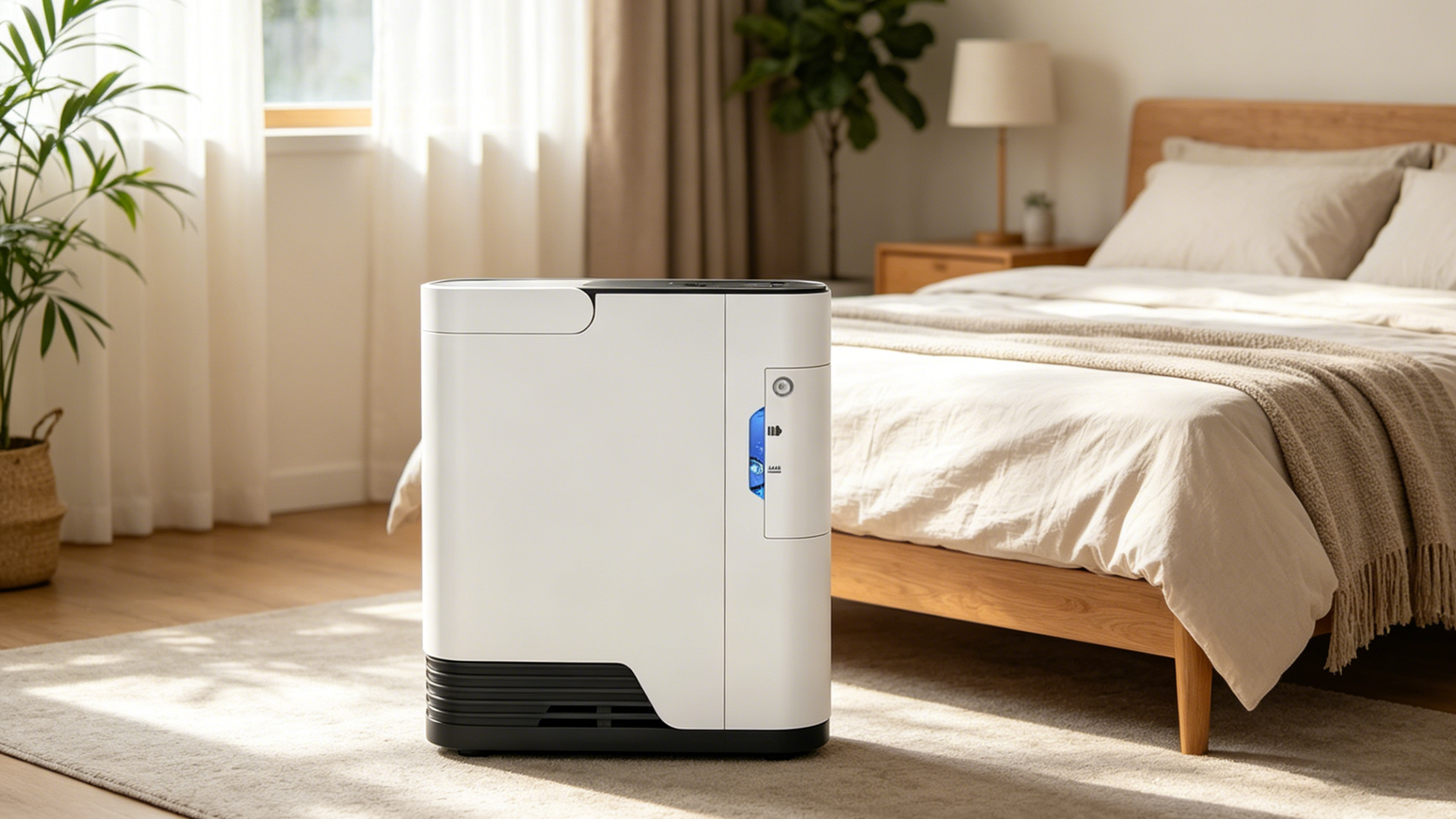
Many people need extra oxygen to help them breathe better. If you or a loved one faces respiratory challenges, a doctor might suggest an oxygen therapy device. However, you might wonder: how exactly does this machine operate? Does it hold oxygen in a tank?
To put it simply, no. Unlike old oxygen cylinders, these modern medical devices do not run out of air. Instead, they take in the air around you and turn it into purified oxygen.
In this article, we will explain the simple steps behind this process. We will also help you learn the differences between a home machine and a portable oxygen concentrator. Finally, we will share how medical brands like ProVision Healthcare (provmedcare.com) create solutions for everyday health needs.
The Basics: What is an Oxygen Concentrator?
An oxygen concentrator is a medical device that pulls in room air, separates the oxygen from other gases, and gives the user a stream of pure oxygen.
The air we breathe in our homes is not just oxygen. In fact, normal room air consists of about 21% oxygen, 78% nitrogen, and 1% other small gases. For someone with healthy lungs, 21% oxygen is plenty. However, people with chronic respiratory conditions often need a much higher level of oxygen to keep their blood oxygen stable.
Step-by-Step: How Does an Oxygen Concentrator Work?
The machine works like an air filter, but it filters out gases instead of just dust. It repeats a quick, simple four-step loop to give you a steady flow of pure air.
1. Drawing in Air
First, the device pulls surrounding room air inside using an electric compressor. The air passes through an intake filter to catch dust, pollen, and other small flying particles.
2. Pressurizing and Filtering
Next, the compressor squeezes the air. This squeezed air is sent into a special part of the machine called a molecular sieve bed. This bed contains a natural material called zeolite. Zeolite works like a chemical magnet for nitrogen. It traps the nitrogen molecules but allows the oxygen molecules to pass right through.
3. Collecting the Pure Oxygen
Because the nitrogen is trapped inside the sieve bed, the gas coming out is now highly concentrated. The machine collects this refined air, which is usually around 90% to 93% pure oxygen.
4. Delivering the Flow
Finally, the machine sends the pure oxygen through a tube or a nasal cannula so you can breathe it in. At the same time, the machine safely releases the trapped nitrogen back out into the room. This cycle happens over and over again in just a matter of seconds.
Home Units vs. Portable Devices: What is the Difference?
When looking for the right machine, you will generally find two main categories. Both styles utilize the exact same filtering science, but they fit completely different lifestyles.
The Best Oxygen Concentrator for Home Use
A home model is designed for stationary use. These units stay plugged into a standard wall outlet. Because they do not rely on batteries, they can run non-stop for 24 hours a day if needed.
A prime example of a modern home unit is shown in the product file image_8dbab9.png. As detailed in image_8dbab9.png, a high-quality home model like the ZY-1SW offers a wide flow range of 1-7 L/min and uses 120W of input power. This unit packs advanced features into a net weight of just 6kg, making it very easy to move from the living room to the bedroom. Home units like this often include helpful tools such as concentration monitoring, intelligent voice alerts, remote control, atomization functions, and negative ion purification to keep your home air exceptionally clean.
The Portable Oxygen Concentrator
On the other hand, if you need to leave the house, travel, or go for walks, a portable oxygen concentrator is the correct choice. These devices are smaller, lighter, and run on rechargeable batteries. While they typically offer lower flow rates than large home machines, they give you the freedom to live an active life outside of your house.
Real Client Case Study: The ProVision Solution
At ProVision Healthcare (provmedcare.com), we understand that breathing issues can hold people back from enjoying daily life. Let us look at a real-world example of how our engineering solutions solved a major problem for an international medical equipment supplier.
The Problem
A medical distributor based in Europe noticed a rising need for lightweight home care oxygen units. Their old inventory consisted of bulky, noisy, 15kg machines that frightened elderly patients. Customers complained that the older devices were too loud to sleep next to and too heavy to roll across carpets. The distributor desperately needed a lightweight, multi-functional home solution that operated quietly.
The ProVision Solution
ProVision supplied the distributor with a compact, 6kg home platform identical to the specifications seen in image_8dbab9.png. This unit provided a flexible flow rate up to 7 L/min, which met a wide array of patient prescriptions.
To solve the noise problem, the machine was equipped with a whisper-quiet compressor operating at a comfortable sound level. Additionally, the intelligent voice feature and remote control allowed elderly users to manage their therapy safely from their beds without bending down.
The Result
The distributor reported a 40% drop in product returns. Patients loved the light, 6kg design because it felt less like a scary hospital tool and more like an advanced home appliance. The built-in atomization feature also allowed users to take their breathing medications directly through the same machine, creating a true all-in-one home breathing station.
Key Things to Check Before Choosing Your Device
If you are currently browsing devices on provmedcare.com or talking with your healthcare provider, keep these essential parameters in mind:
-
Flow Rate (L/min): Ensure the device matches the precise liters-per-minute flow that your doctor ordered.
-
Weight and Portability: If you plan to move the machine around your home often, look for units under 7kg with strong handles, as shown in image_8dbab9.png.
-
Extra Health Features: Modern systems offer dual benefits, such as built-in nebulizers (atomization) and negative ion purifiers to scrub away ambient smoke or dust.
Conclusion
So, how does an oxygen concentrator work? It simply filters the air you already have, traps the nitrogen, and hands you pure oxygen to help your body thrive. Whether you select a stationary model as the best oxygen concentrator for home use or pick a portable oxygen concentrator for travel, these devices offer reliable, life-changing support.
Explore our full range of respiratory solutions and find your perfect fit today atProVision Healthcare.
Frequently Asked Questions (FAQ)
Q1: Does an oxygen concentrator change the total amount of oxygen in the room?
No. The machine draws in room air, extracts the nitrogen momentarily, gives you the oxygen, and then expels the nitrogen back out. The overall balance of gases in your room stays completely normal and safe.
Q2: Can I use a home oxygen concentrator while I sleep?
Yes. Most high-quality home units are built for continuous operation and feature low noise data (27 plus or minus 2 dB(A)) so you can sleep peacefully. Many models also include a built-in timing function so you can set the machine to turn off automatically after a certain number of hours.
Q3: How do I maintain my oxygen machine?
Maintenance is very basic. You simply need to clean or replace the intake air filter regularly to prevent dust buildup. If your machine features a built-in humidifier or atomization bottle, be sure to clean it with distilled water to stop mineral buildup.
Q4: Can a portable oxygen concentrator be used on an airplane?
Many portable oxygen concentrators are approved by aviation authorities for travel. However, you should always check with your airline and your device provider before booking a flight to ensure the battery life meets travel safety rules.


