What Is an Oxygen Concentrator? A Complete and Simple Guide
News Details
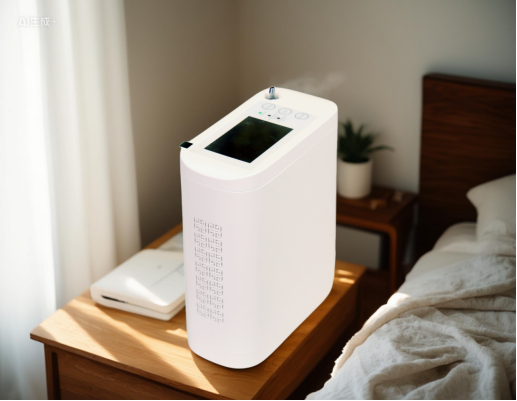
When a doctor tells you or a loved one that you need extra oxygen, it can feel a bit overwhelming. You might immediately picture heavy, metal oxygen tanks that need to be refilled constantly. However, medical technology has changed a lot over the years. Today, millions of people rely on a much easier solution called an oxygen concentrator.
But what is an oxygen concentrator exactly? How does it differ from a traditional tank, and how do you choose the right one for your daily life?
In this easy guide, we will break down everything you need to know. We will look at how these machines work, explore different types like the stationary oxygen concentrator, and discuss mobile options. Finally, we will share how medical brands likeProVision Healthcare create real-world solutions for families and medical providers worldwide.
Defining the Basics: What Is an Oxygen Concentrator?
An oxygen concentrator is an electrically powered medical device that pulls in the air around you, removes the gases you do not need, and delivers a stream of purified oxygen.
To understand why this is so helpful, it helps to look at the air in your room. Normal air is made up of roughly 21% oxygen, 78% nitrogen, and 1% other tiny gases. For a person with healthy lungs, 21% oxygen is plenty. However, if you cope with a chronic condition like COPD, emphysema, or severe asthma, your lungs have to work much harder to pull that oxygen into your bloodstream.
An oxygen machine solves this problem. Instead of storing oxygen inside a tank, it filters the room air in real-time, stripping away the nitrogen. As a result, it hands you air that is up to 93% pure oxygen, helping you breathe deeply and comfortably.
Two Main Styles: Stationary vs. Portable Units
Because different people have different lifestyles, these devices generally come in two distinct styles. Understanding these types will help you find the absolute best match for your needs.
1. Stationary Oxygen Concentrator
A stationary oxygen concentrator—often called a home concentrator—is built for use inside a single building. These units plug directly into a standard wall outlet. Because they have a constant power source, they can run 24 hours a day without stopping.
These home units are highly reliable and offer robust flow rates. For example, a quality home unit like the ZY-1SW model offers a wide flow range of 1 to 7 liters per minute (L/min) while drawing 120W of power. Additionally, modern home platforms are surprisingly light, weighing only about 6kg. This makes them easy to slide from your bedroom to your living room. They also include convenient features like intelligent voice alerts, remote control, and built-in atomization for breathing medications. Because of this balance of power and convenience, a unit like this is widely considered the best oxygen concentrator for home use.
2. Portable Oxygen Concentrator
If you enjoy traveling, visiting family, or simply taking walks outside, a portable oxygen concentrator is the perfect companion. These devices run on rechargeable batteries and fit into a lightweight shoulder bag or a small cart.
Mobile units usually deliver oxygen in two ways:
-
Pulse Flow: This method gives you a quick puff of oxygen only when the machine senses you are inhaling. Models like the KPE-6 or KPE-7 weigh a mere 2.2kg, making them incredibly easy to carry anywhere.
-
Continuous Flow Portable Oxygen Concentrator: This style delivers a constant, steady stream of oxygen regardless of whether you are breathing in or out. These units are slightly larger because they require more battery power and a stronger compressor, but they are essential for patients who breathe through their mouths while sleeping.
B2B Case Study: How ProVision Solved a Distribution Crisis
At ProVision Healthcare (provmedcare.com), we do not just supply machines; we create complete solutions for global medical equipment distributors and care facilities. Let us look at a real example of how our engineering solved a major supply problem.
The Problem
A medical equipment importer in South America was struggling with high product return rates. They were distributing old-style, 15kg home oxygen units to local clinics. These older machines were extremely loud, looked frighteningly industrial, and broke down frequently due to low-quality internal parts. Elderly patients refused to use them at night because the noise kept them awake, and distributors were losing money on warranty repairs.
The ProVision Solution
ProVision stepped in with a dual-layered upgrade solution:
-
For home care patients, we supplied a sleek, 6kg stationary platform featuring negative ion purification and low-noise engineering. This completely eliminated the clinical, scary look and allowed patients to sleep in total silence.
-
For mobile patients, we introduced the KPE portable series. By building these 2.2kg mobile devices with premium imported spare parts, we guaranteed long-term reliability and a stable 93% ± 3% oxygen purity. Furthermore, models like the KPE-8 provided a maximum equivalent flow of up to 7L/min, giving patients clinical-grade power in a travel-friendly frame.
The Result
Within six months, the importer saw a 45% drop in service calls and a massive boost in customer reviews. By offering quiet home comfort alongside highly durable travel units built with imported parts, they secured a dominant position in their regional healthcare market.
Summary: How to Choose the Right Model
Before purchasing a machine from provmedcare.com or speaking with your doctor, remember to check these three simple factors:
-
Your Prescription: Always match the machine’s flow rate (whether it is 5L/min, 6L/min, or 7L/min) to your doctor's exact orders.
-
Your Daily Routine: If you stay at home, choose a stationary machine with built-in atomization. If you travel frequently, pick a 2.2kg portable device with a reliable battery.
-
Noise and Features: Look for systems that operate quietly (under 45dB) so your sleep and social life stay completely normal.
Frequently Asked Questions (FAQ)
Q1: Can an oxygen concentrator catch fire or explode?
No. Oxygen itself is not explosive. However, oxygen makes fires burn much faster and hotter. For safety, you should keep your device at least 5 to 10 feet away from open flames, gas stoves, lit cigarettes, or hot heating appliances.
Q2: What is the main difference between an oxygen tank and a concentrator?
An oxygen tank holds a fixed amount of compressed liquid or gas oxygen. Once it is empty, you must replace or refill it. An oxygen concentrator never runs out of oxygen because it filters the endless supply of surrounding room air using electricity or battery power.
Q3: How long do the batteries last on a portable oxygen concentrator?
Battery life depends entirely on your machine's settings. For instance, compact travel units like the KPE series offer a battery duration ranging from 1.2 to 4.0 hours using an 8-cell battery. Using higher flow settings will draw more power and shorten the battery runtime.
Q4: Do I need a prescription to buy an oxygen concentrator?
Yes. Because oxygen is classified as a medical treatment, you need a valid prescription from a doctor. Your prescription tells the provider exactly how many liters of oxygen you need per minute and whether you require pulse or continuous flow support.
Explore our full selection of high-performance respiratory solutions and find your ideal device today at ProVision Healthcare.


