How to Operate Oxygen Concentrator Units: A Simple Guide for Beginners
News Details
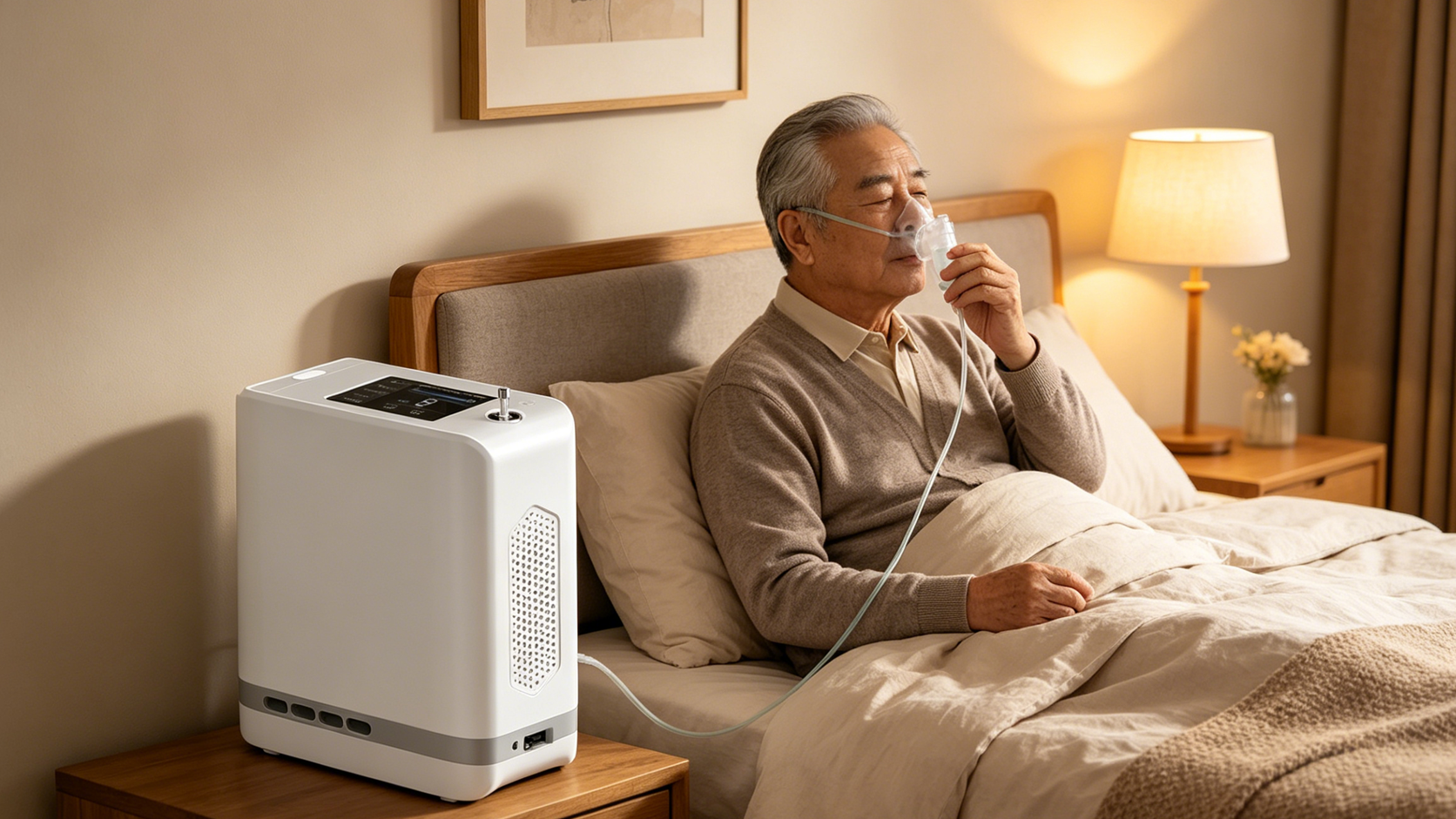
Bringing a new medical device into your home can feel a bit intimidating at first. If your doctor just prescribed oxygen therapy, you might be staring at your new machine and wondering where to start. However, learning how to operate oxygen concentrator equipment is actually very simple and straightforward. Modern devices are designed to be user-friendly so that anyone can manage them with ease.
In this guide, we will walk you through the basic steps to set up and run your machine safely. We will cover both large home units and mobile travel devices. Furthermore, we will share how ProVision Healthcare helps families and medical providers find the right solutions for stable breathing care.
Getting Ready: Placement and Setup Rules
Before you even flip the power switch on your machine, you need to choose the right spot for it. Whether you are using a large stationary oxygen concentrator or a smaller mobile unit, proper placement is vital for safety and performance.
First, always place your device in a well-ventilated room. The machine works by pulling in the surrounding room air, filtering out the nitrogen, and giving you pure oxygen. Because of this process, it needs plenty of fresh air circulating around it.
Next, make sure the machine is at least one to two feet away from walls, long curtains, or furniture. If the air intake vents are blocked, the motor can quickly overheat and shut down. Finally, keep the device far away from any open flames, gas stoves, or hot heating appliances. Oxygen makes things burn incredibly fast, so safety must always come first.
Step-by-Step: How to Operate Oxygen Concentrator Machines
Once your machine is placed in a safe spot, you can follow these five easy steps to turn it on and begin your therapy.
1. Connect to a Power Source
If you are using a stationary oxygen concentrator at home, plug the heavy-duty power cord directly into a standard wall outlet. Try to avoid using extension cords, as they can cause power drops. On the other hand, if you are setting up a portable oxygen concentrator, make sure the rechargeable battery is fully clicked into place and charged.
2. Attach the Humidifier Bottle (Optional)
If your doctor prescribed a high flow rate, the constant stream of dry air can sometimes dry out your nose and throat. To fix this issue, many home units allow you to attach a small humidifier bottle filled with distilled water. Simply fill the bottle to the designated line, screw the cap on tight, and connect it to the machine's oxygen outlet nozzle.
3. Connect Your Nasal Cannula or Mask
Take your soft plastic oxygen tubing and attach one end directly to the oxygen outlet port (or to the humidifier bottle nozzle if you are using one). Make sure the connection is snug so that no air leaks out.
4. Turn on the Power and Adjust the Flow
Press the main power button. You will usually hear a brief beep and see the display lights turn on. Now, look at your prescription. Turn the flow control knob or press the digital buttons until the marker matches the exact liters-per-minute (L/min) setting your doctor ordered. Never change this setting without checking with your healthcare provider first.
5. Put on the Cannula
Place the two soft plastic prongs of the nasal cannula inside your nostrils, pointing slightly downward. Loop the thin plastic tubing over and behind your ears, then slide the plastic fastener up under your chin until the tubing fits comfortably. Breathe normally through your nose.
Managing Different Machine Types: Home vs. Travel
The core steps to operate these devices are very similar, but changing between different models requires a little bit of extra knowledge.
Running the Best Oxygen Concentrator for Home Use
A dedicated home machine stays plugged into your wall. These systems are incredibly robust and include advanced convenience features. For example, modern home systems include large, clear 4.3-inch screens, intelligent voice commands, and remote controls. This means you can adjust your air levels or set a specific run-time timer from the comfort of your bed. Many home care platforms also feature a built-in atomization port, allowing you to take nebulized breathing medications through the exact same machine.
Operating Mobile Devices on the Go
When you leave the house, running a portable oxygen concentrator requires checking your power levels. Mobile units run on battery power, so you must always monitor the battery percentage screen.
Additionally, you need to know your delivery style. Some travel units use pulse flow, which only shoots a puff of air when you inhale. Other patients require a continuous flow portable oxygen concentrator, which pushes a steady, non-stop stream of air. If your unit relies on pulse flow, you must breathe smoothly through your nose so the internal sensors can accurately track your breathing cycles.
Designed for Simplicity: The ProVision Layout
At ProVision Healthcare, we focus on manufacturing hardware that eliminates confusion, especially for elderly patients or those setting up equipment for the first time.
Our modern home care platforms feature automated concentration monitoring and an integrated voice guidance system. When a user turns the machine on, a clear voice speaks aloud to confirm that the system is operating correctly. For mobile tracking, the KPE travel series features highly legible digital interfaces, allowing users to verify battery life and flow settings in seconds. Because these devices are engineered with premium imported spare parts, they provide highly reliable, hassle-free operation without needing constant adjustments or technical support.
Quick Maintenance Tips for Daily Operation
To keep your machine running efficiently and delivering pure air, follow these simple cleaning rules:
-
Wash the Particle Filter: Once a week, pull out the mesh air filter on the back of your machine. Rinse it under warm tap water to remove dust, let it dry completely, and slip it back in.
-
Wipe the Cannula: Wipe your nasal tubing daily with a clean, damp cloth. Replace the entire plastic cannula every two to four weeks to maintain proper hygiene.
-
Empty the Water: If you use a humidifier bottle, change the distilled water every single day to prevent mineral buildup and bacteria growth.
Conclusion
Learning how to operate oxygen concentrator equipment does not have to be stressful. By following a few basic steps—checking your power source, securing your plastic tubing, and setting your correct prescription flow rate—you can enjoy stable, worry-free breathing care. Whether you are using a stationary oxygen concentrator at home or taking a lightweight device on a weekend trip, these modern machines are here to give you your freedom back.
Explore our full line of simple, medical-grade respiratory solutions today at ProVision Healthcare.
Frequently Asked Questions (FAQ)
Q1: What should I do if my oxygen machine starts beeping?
An alarm beep usually means something is interrupting the air delivery. First, check your plastic tubing to ensure it is not bent, twisted, or caught under a chair leg. Second, check your power plug to make sure it hasn't slipped out of the wall. If the vents feel very hot, turn the machine off, let it cool down for 20 minutes in an open space, and clean the intake filter.
Q2: Can I use tap water in my machine’s humidifier bottle?
No, it is highly recommended to use distilled water only. Tap water contains natural minerals like calcium. Over time, these minerals will create a hard white crust inside the bottle and clog the tiny air holes in your machine, which can reduce your oxygen purity.
Q3: How do I know if oxygen is actually flowing through the tube?
Because oxygen is completely invisible and odorless, it can sometimes feel like nothing is coming out. A simple trick is to place the two prongs of your nasal cannula into a clean glass of water. If you see steady air bubbles floating up, your machine is working perfectly. Just shake the water off before putting it back in your nose.
Q4: Can I run my home oxygen concentrator non-stop for 24 hours?
Yes. Quality home models are specifically designed to run continuously day and night. They are equipped with reliable internal cooling fans and advanced sensors to ensure you receive a safe, uninterrupted flow of pure oxygen while you sleep.


