What's the Difference Between a CPAP and a BiPAP Machine?
News Details
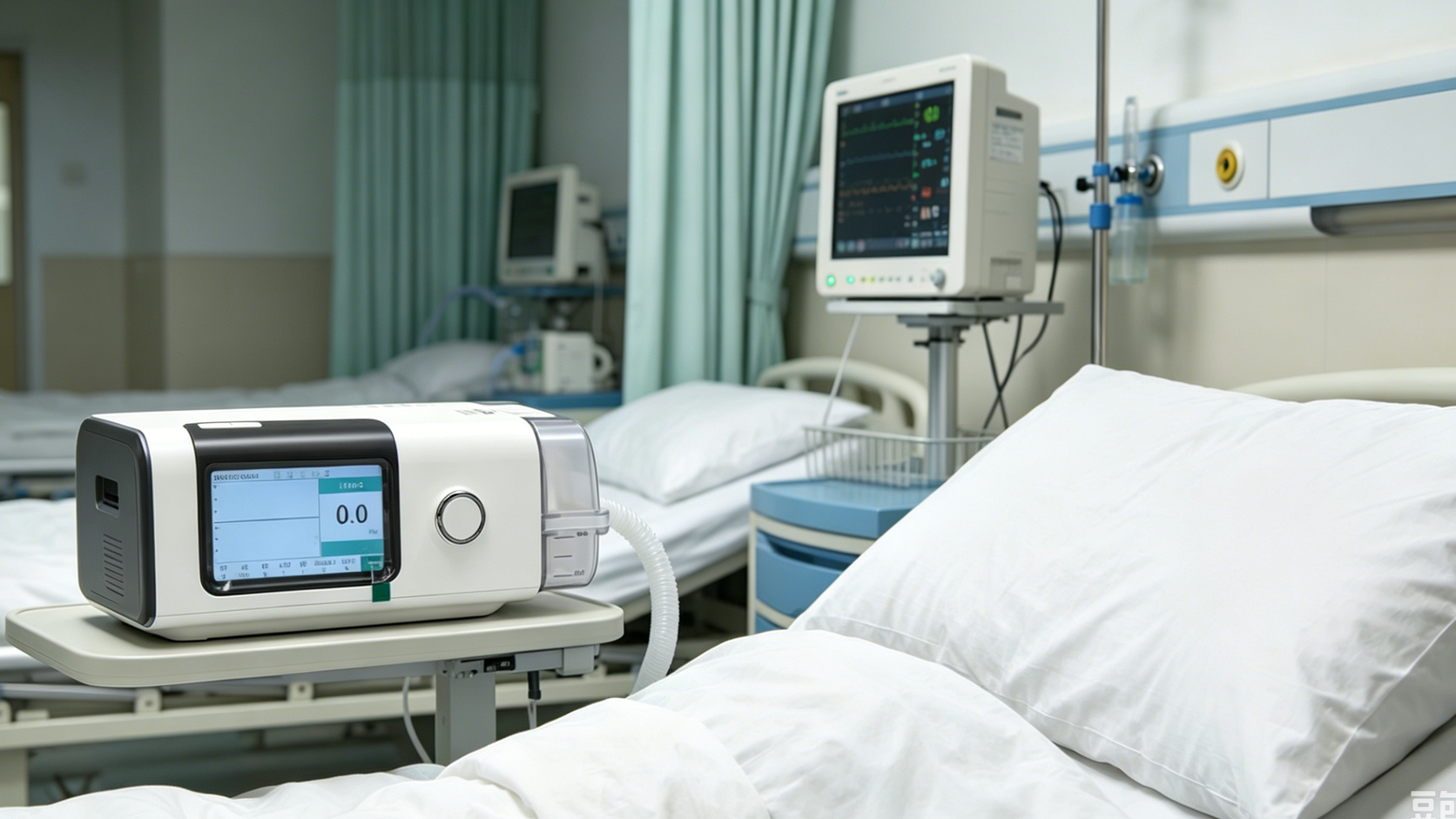
If you or a family member struggle with heavy snoring, waking up gasping for air, or daytime exhaustion, a sleep doctor might suggest positive airway pressure (PAP) therapy. However, when you start looking at your equipment choices, you will quickly notice different terms. Specifically, you will see CPAP and BiPAP.
At first glance, these devices look almost exactly the same. They both use electronic motors, plug into the wall, and deliver pressurized air through a tube and a mask. But on the inside, they operate quite differently.
So, what's the difference between a cpap and a bipap machine? In this simple guide, we will break down how each machine works, look at when to use cpap vs bipap, and explain how they differ from life-support ventilators. We will also look at premium design choices from medical brands like ProVision Healthcare to show how modern hardware keeps you comfortable at night.
The Core Breakdown: CPAP vs. BiPAP
To understand these machines, we have to look at the way they push air into your breathing passages.
What is a CPAP Machine?
CPAP stands for Continuous Positive Airway Pressure. This is the most common device used to treat standard obstructive sleep apnea (OSA).
The way a CPAP works is straightforward. It delivers one single, steady level of air pressure all night long. This constant stream of air acts like an invisible splint, holding your throat open so your airway does not collapse while you sleep. Because it only has one pressure setting, you have to exhale against that same incoming force.
What is a BiPAP Machine?
BiPAP stands for Bilevel Positive Airway Pressure. The major change here is that a BiPAP machine uses two distinct levels of pressure instead of just one:
-
IPAP (Inhalation Pressure): A higher pressure when you breathe in to open your airway.
-
EPAP (Exhalation Pressure): A much lower, gentler pressure when you breathe out.
Because the machine automatically drops the pressure the moment you start to exhale, it feels much more natural. You do not have to fight against a heavy wall of air just to breathe out.
When to Use CPAP vs. BiPAP
Doctors choose your device based on your specific health needs and sleep study data.
When to Choose CPAP
A CPAP is generally the first line of defense. It is ideal for people with simple Obstructive Sleep Apnea, where the only issue is a physical blockage in the throat during sleep. If you need low-to-moderate pressure settings, a CPAP is highly effective and budget-friendly.
When to Choose BiPAP
On the other hand, a doctor will switch you to a bilevel device under specific circumstances:
-
High Pressure Needs: If your sleep apnea requires very high pressure settings, exhaling against a single CPAP stream becomes too difficult.
-
Complex Sleep Apnea: If your brain occasionally forgets to tell your body to breathe (Central Sleep Apnea), you need a smart machine that can step in.
-
Respiratory Conditions: Patients coping with chronic lung issues like COPD or emphysema need extra help moving air in and out of their lungs, making a two-level pressure system essential.
Clear Answers to Common Patient Concerns
Is CPAP or BiPAP More Serious?
When patients are switched to a bilevel device, they often ask: is cpap or bipap more serious?
To put your mind at ease, neither machine itself means your condition is inherently "scary." However, from a medical standpoint, a BiPAP is used for more complex or advanced respiratory issues. While a CPAP simply treats a blocked throat, a BiPAP can actively assist with lung function and severe gas exchange problems. Therefore, a BiPAP is often prescribed for more advanced or serious chronic conditions, but it is simply a tool designed to maximize your sleeping comfort.
Difference Between BiPAP and CPAP and Ventilator
It is also very important to understand the difference between bipap and cpap and ventilator units.
CPAP and BiPAP are non-invasive devices. They are designed for conscious patients who can breathe on their own. The air is delivered through a removable mask, and you can take the mask off at any time.
In contrast, a mechanical ventilator is a true life-support machine used in intensive care units. A ventilator takes over the complete act of breathing for a patient who cannot breathe on their own. It pushes air into the lungs through a tube inserted deep into the windpipe or a tight clinical seal. While CPAP and BiPAP assist your natural breathing, a ventilator replaces it entirely.
Design Solutions for Better Sleep: The ProVision Edge
At ProVision Healthcare, we focus on solving the most common complaints that PAP users face. Let us look at how modern design choices can fix traditional therapy issues.
The Problem of Airway Dryness and "Rainout"
Many older PAP machines blow dry, cold air into a patient's nose. To fix this, manufacturers added heated humidifiers. However, when warm, moist air travels down a cold plastic tube in a chilly bedroom, it cools down quickly. This creates pools of water inside the hose, a frustrating problem known as "rainout." Patients often wake up because water is splashing onto their faces.
The ProVision Solution
To eliminate this problem completely, next-generation systems like the ProVision A9 Series incorporate our most popular design upgrade: a built-in heating tube.
Whether you are using an A9 Sleep Series CPAP or a specialized Treatment Series BiPAP (such as the DH-A925g or DH-A930g platforms), the integrated heated hose keeps the internal air temperature perfectly stable. Combined with smart humidification settings, it delivers moist air straight to your mask without creating a single drop of condensation.
Additionally, these modern devices feature large 4.3-inch color screens, ultra-quiet operation (rated at 27 plus or minus 2 dB), and advanced spontaneous/timed (ST) sync algorithms. This ensures that even if you are prescribed a high-pressure treatment up to 30 cmH2O, your therapy feels smooth, silent, and natural.
Conclusion
Understanding what's the difference between a cpap and a bipap machine helps you take control of your health. A CPAP offers one steady stream of air to clear physical blockages, while a BiPAP provides a smart, two-level pressure system that makes exhaling smooth and easy.
No matter which path your doctor prescribes, modern features like built-in heated tubes and ultra-quiet motors ensure you do not have to compromise on comfort. Explore our full range of professional, home care respiratory solutions today at ProVision Healthcare (provmedcare.com).
Frequently Asked Questions (FAQ)
Q1: Can I turn my CPAP machine into a BiPAP machine?
No. While they use similar masks and hoses, the internal software, pressure sensors, and motor controls are completely different. A CPAP cannot be programmed to drop its pressure when you exhale in the way a dedicated BiPAP does. You must purchase the specific hardware model that matches your medical prescription.
Q2: What happens if I use a CPAP when I actually need a BiPAP?
If you have complex sleep apnea or a lung condition like COPD, a standard CPAP may not provide enough support. You might find it exhausting to breathe out against the constant pressure, leading to poor sleep quality, daytime headaches, and lower blood oxygen levels. Always follow your doctor's titration data.
Q3: Why do BiPAP machines use a full face mask more often than CPAP machines?
Because BiPAP devices often deliver much higher pressure settings (up to 25 or 30 cmH2O), a full face mask is used to distribute that heavy air pressure safely over both your nose and mouth. This stops air from leaking out of your mouth and ensures you receive the full therapeutic benefit of the dual-pressure settings.
Q4: How often should I download my sleep data from the machine?
Modern machines, like the ProVision lines, come standard with an 8G SD card that can hold up to 2 years of usage data. Your medical provider will usually look at this data during your annual or bi-annual checkups to see your AHI (Apnea-Hypopnea Index) scores and ensure your pressure settings are working perfectly.


