How to Choose an Oxygen Concentrator Manufacturer in China
News Details
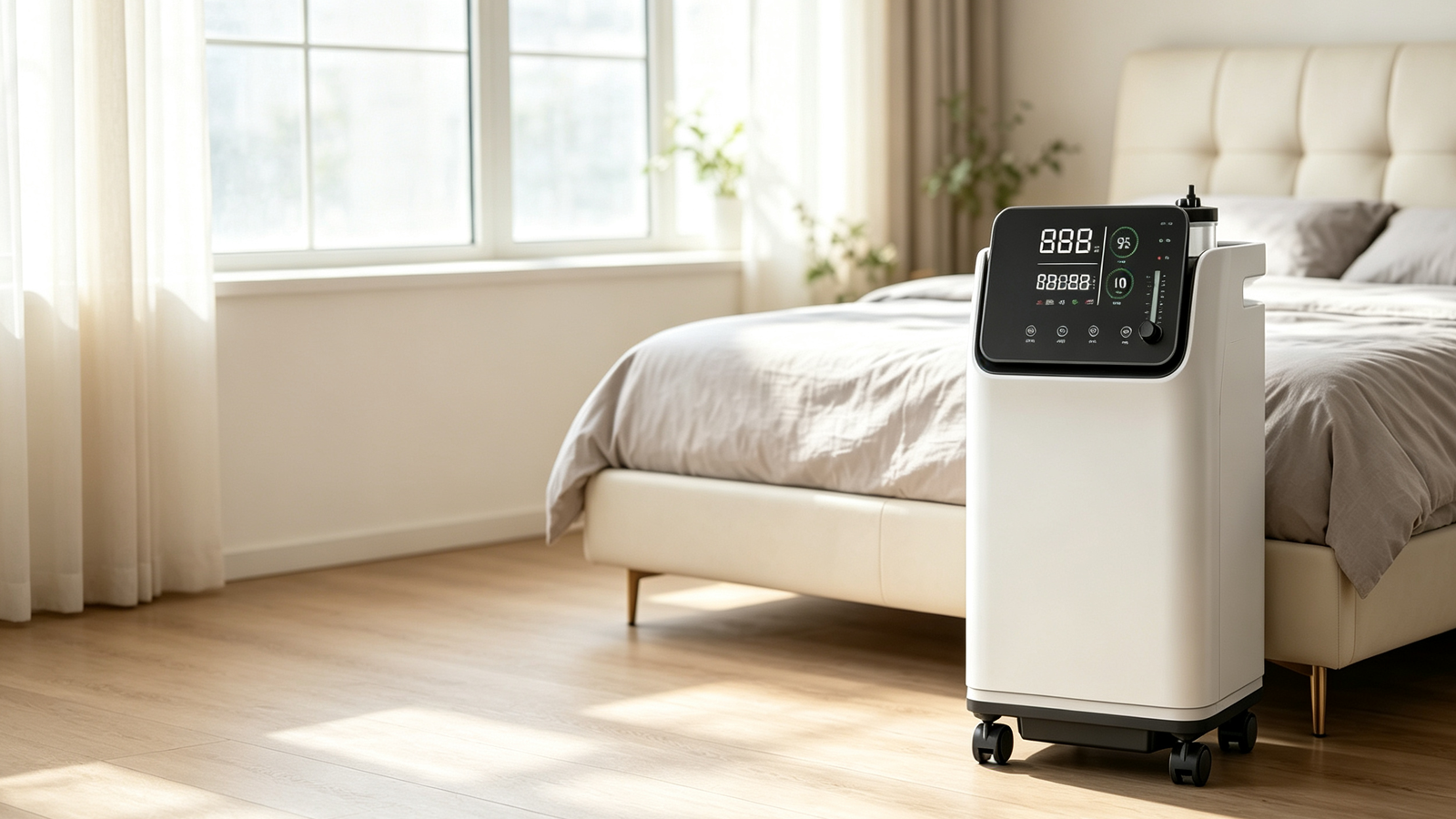
The market for home and hospital breathing devices is growing very fast worldwide. Because of this, medical distributors and healthcare buyers often look for a good supplier overseas. Today, China produces a large portion of the world's medical gear. However, picking the right factory is not always simple. You need to verify quality, test safety standards, and check factory output before you order.
Working with a trusted oxygen concentrator manufacturer in China protects your business. It guarantees that you receive safe devices that perform well and pass local law checks. This step-by-step guide helps you pick the right oxygen concentrator supplier for long-term growth and success.
Why Source Oxygen Concentrators from China?
China has built a vast, mature supply network for medical technology. Factories in China can build complex medical equipment at low costs while maintaining strong quality control. Furthermore, Chinese suppliers can scale up production rapidly when global demand surges suddenly.
However, product quality varies from one factory to another. Some makers focus on cheap consumer goods, while others build high-end clinical tools. Therefore, you must learn how to separate top-quality factories from low-end suppliers.
Verify Important Quality Certifications First
First, medical devices must meet strict safety rules before you can sell them. Before you send any deposit to a China oxygen concentrator manufacturer, ask for their official safety certificates. Never skip this step.
Look for these essential papers:
-
ISO 13485 Certification: This shows that the factory follows strict rules for making safe medical equipment.
-
CE Certificate: This allows you to import and sell the devices inside European countries.
-
FDA Clearance: This paper is mandatory if you plan to sell equipment in the United States market.
-
RoHS and REACH Approval: These papers prove that the plastic and metal parts contain no dangerous toxins.
Working with an established maker like Provision Healthcare ensures that your goods carry valid papers. Valid certificates prevent bad surprises, such as custom delays or blocked shipments at the border.
Check Key Technical Features and Device Quality
Next, look closely at the machine specifications. Oxygen concentrators take in room air, remove nitrogen, and deliver pure oxygen to the patient. Different health conditions require different machine setups. Consequently, a good medical oxygen concentrator factory should offer several options for home care and hospital use.
Pay special attention to these basic technical features:
-
Oxygen Purity Rates: Good machines must deliver 90% to 96% pure oxygen at all flow settings without dropping.
-
Continuous Flow Speed: Check if the factory makes 3-liter, 5-liter, or 10-liter per minute machines for heavy clinical use.
-
Molecular Sieve Quality: The molecular sieve cleans the air inside the machine. High-grade imported sieve material lasts much longer and works better.
-
Sound Levels: Quiet machines are better for home users. Look for units that stay under 45 decibels while running.
-
Alarm Systems: Every safe unit needs clear alarms for low oxygen purity, sudden power cuts, and high pressure.
How to Conduct a Factory Audit Step by Step
Furthermore, visiting the physical plant gives you great insight into how a supplier works. If you cannot travel to China yourself, hire a third-party inspection agency to inspect the site for you.
When auditing a potential supplier, focus on three main areas:
1. Assembly Line Setup
Look at the physical plant. Is the factory clean, bright, and well-organized? Modern factories use cleanrooms and automated assembly tools to lower human errors.
2. Burn-In Testing Process
Ask how the factory tests finished units. A top-tier manufacturer runs every completed concentrator for at least 4 to 8 continuous hours. They test purity levels during this run before packing the product into boxes.
3. OEM and Custom Label Options
If you sell under your own brand, check if the factory offers custom designs, custom logo printing, unique box artwork, and specialized outer colors.
Evaluate Pricing, Shipping, and After-Sales Support
Low prices look attractive, but extremely cheap machines often hide cheap internal parts. Instead of chasing the lowest cost, look for the best total value.
Consider these practical business factors:
-
Minimum Order Quantity (MOQ): Ask how many units you must buy for your initial trial order.
-
Replacement Spare Parts: Ensure the factory provides spare filters, valves, and compressors for future repair work.
-
Warranty Terms: Choose manufacturers that back their machines with a clear 1-year to 3-year warranty.
-
Technical Training: Check if the vendor provides user manuals, repair videos, and engineering support for your local technical team.
Build a Successful Long-Term Supply Partnership
Choosing the right partner takes time, clear communication, and careful research. By checking certifications, inspecting factory lines, testing sample units, and comparing technical specs, you can lower business risk significantly.
Leading medical platforms like Provision Healthcare help global buyers source safe, reliable breathing equipment with total peace of mind. Investing effort into finding the right supplier now will protect your brand reputation, lower product return rates, and build strong customer trust for years to come.


