What Is a Full Face CPAP Mask? A Complete Business Guide
News Details
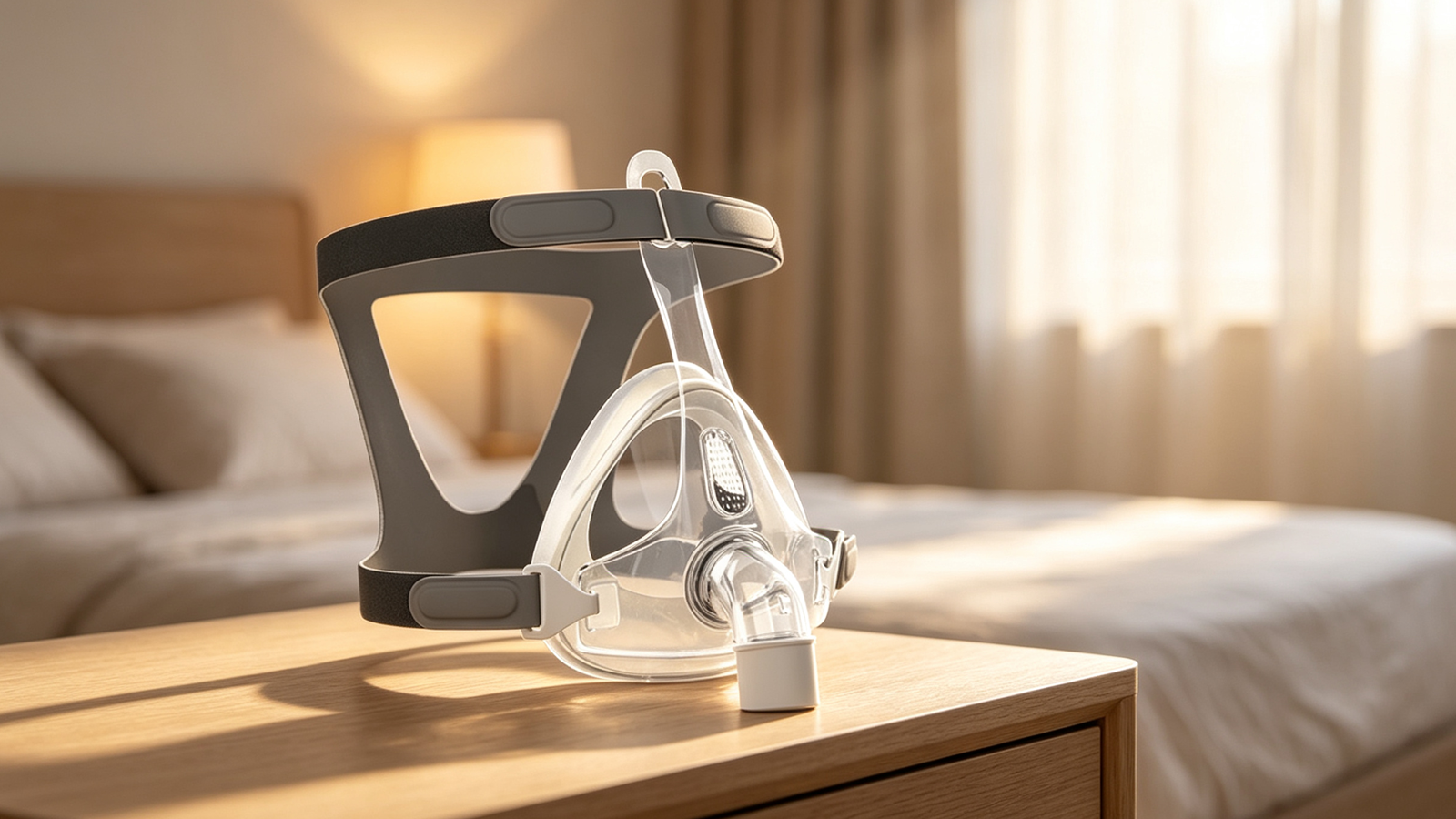
In the medical supply sector, providing versatile equipment for sleep therapy is key to meeting diverse patient needs. Clinical teams and medical distributors must choose effective respiratory interfaces to ensure treatment success. One of the primary choices for continuous positive airway pressure therapy is the full face mask.
At Provision Healthcare, we support healthcare providers, durable medical equipment suppliers, and care facilities with reliable respiratory products. But what is a full face CPAP mask, and how does it fit alongside other solutions in your inventory?
Here is a clear look at how full face masks work, how they compare to nasal options, and how to select the right supplies for your organization.
Understanding the Full Face CPAP Mask
A full face mask covers both the nose and the mouth. It delivers a steady flow of pressurized air to keep the airway open during sleep.
Because it covers both breathing paths, this style is ideal for patients who breathe through their mouth at night. It is also helpful for people who suffer from frequent nasal congestion or allergies. The wider surface area distributes air pressure evenly, making high pressure settings much more comfortable for the user.
Comparing Respiratory Interfaces
When building a medical supply inventory, buyers often weigh the pros and cons of a nasal mask vs full face mask. Knowing the differences helps care providers match each patient with the right interface.
-
Full Face Masks: Best for mouth breathers, high air pressure settings, and patients with frequent nasal blockages.
-
Nasal Masks: Best for nose breathers, active sleepers, and people who prefer a smaller, lighter frame on their face.
While a full face model provides total coverage, a cpap nasal mask offers a lighter alternative for patients who do not need mouth coverage.
In hospital settings, a Nasal Ventilation Mask is often chosen for non-invasive ventilation when patients breathe exclusively through the nose. However, when mouth leaks occur during therapy, switching to a full face mask prevents pressure loss and ensures steady air delivery.
Overview of Alternative Options: Nasal Mask Types
To give clinicians flexibility, manufacturers offer distinct nasal mask types alongside full face models. Offering a varied inventory ensures every patient finds a comfortable fit.
-
Standard Nasal Cushion Masks: These cover the entire nose from the bridge to the upper lip, providing a stable seal for steady pressure.
-
Nasal Cradle Masks: These rest gently under the nose, which prevents pressure on the nose bridge and leaves the field of vision open.
-
Nasal Pillow Masks: These insert soft gel or silicone prongs directly into the nostrils, offering the smallest and lightest design available.
Having both full face masks and various nasal styles in stock allows providers to resolve fitting issues quickly.
Why Partner with Provision Healthcare?
Selecting high-performing respiratory products is essential for improving patient adherence and growing your healthcare business. Provision Healthcare offers medical-grade equipment, dependable order fulfillment, and dedicated service for clinical partners.
Discover our full line of CPAP interfaces and respiratory support solutions at Provision Healthcare. Reach out to our team today to streamline your purchasing and supply your facility with top-quality equipment.


