Is It Safe to Use an Oxygen Concentrator at Home?
News Details
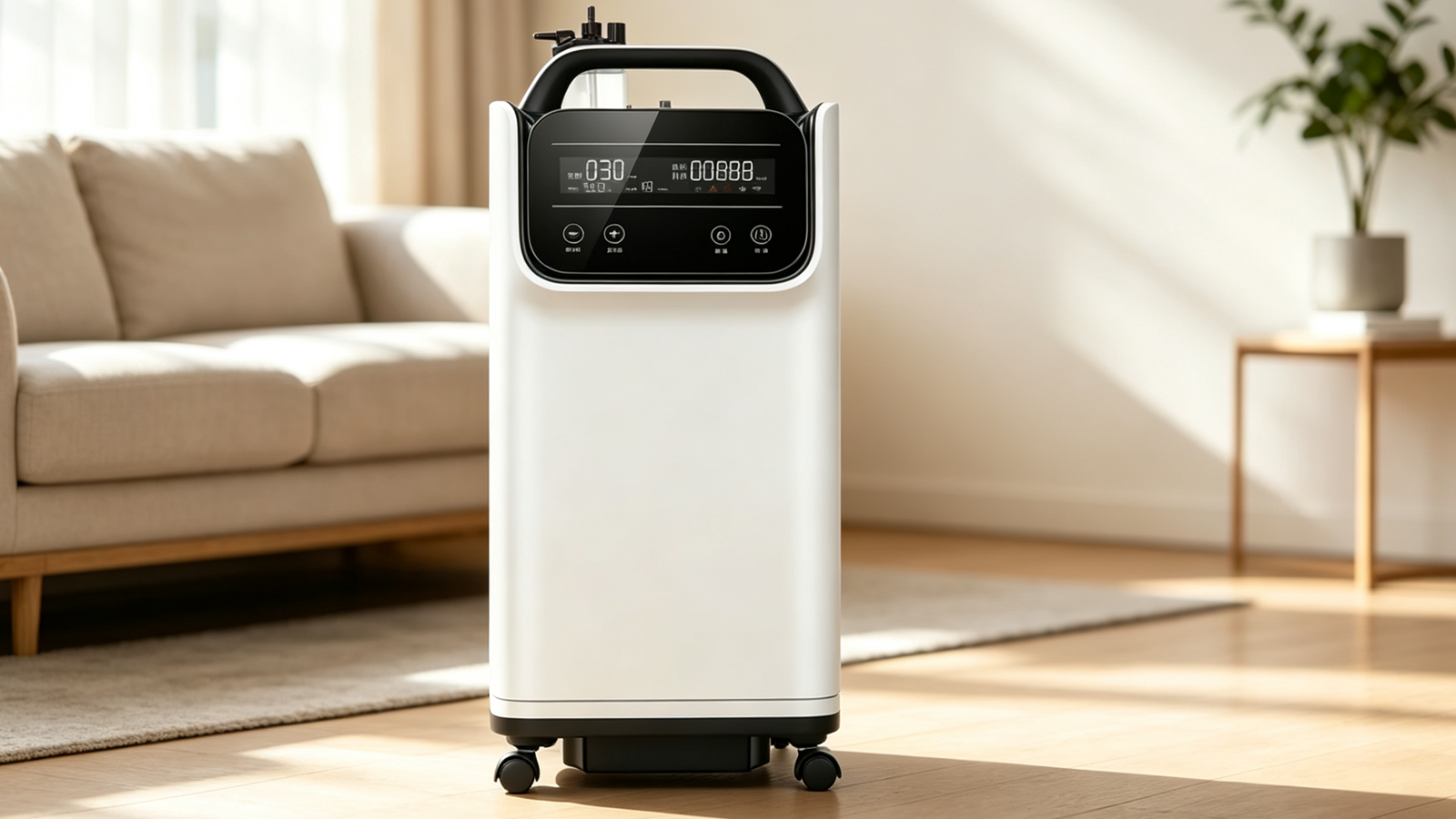
Using oxygen therapy at home has become common for managing breathing conditions. However, many caregivers and patients ask a simple question: Is it safe to use an oxygen concentrator at home?
The short answer is yes. A home use oxygen concentrator is very safe when you follow basic guidelines. Unlike heavy high-pressure tanks, a concentrator filters surrounding air to deliver clean oxygen. Still, because concentrated oxygen speeds up burning, users must take basic fire precautions and maintain their devices.
How aHome Oxygen ConcentratorWorks
First, it helps to know how these machines work. An oxygen concentrator machine for home use takes in room air, removes nitrogen through internal filters, and delivers pure oxygen through a small tube called a nasal cannula.
Because these machines run on electric power rather than stored gas under extreme pressure, they offer a continuous supply without explosive risks. As a result, finding a medical grade oxygen concentrator for daily care provides a reliable solution for long-term respiratory support.
4 Crucial Safety Rules for Home Oxygen Use
While an oxygen concentrator for home care is safe, oxygen makes fire burn much faster and hotter. Follow these key steps to keep your living space safe:
-
Keep Away from Open Flames: Never smoke or use electronic cigarettes near the machine. Keep the device at least 5 to 10 feet away from gas stoves, candles, space heaters, and open flames.
-
Ensure Proper Ventilation: Place your home oxygen concentrator in an open area. Keep it at least 1 to 2 feet away from walls, curtains, and furniture so air flows freely around the intake vents.
-
Avoid Oil-Based Products: Do not use petroleum jelly (like Vaseline) or oil-based lotions on your face or chest while using oxygen. Instead, choose water-based moisturizers to prevent skin dryness.
-
Inspect Electrical Cords: Plug your unit directly into a grounded wall outlet. Avoid using extension cords or power strips, which can overheat.
Choosing the Best Oxygen Concentrator for Home Use
Selecting the right device is crucial for patient comfort and safety. Here is how key features compare across common home models:
| Feature | Station Units | Portable Units |
| Primary Location | Stationary indoor use | Travel and mobility |
| Power Source | Continuous AC wall plug | Rechargeable batteries + AC/DC |
| Oxygen Flow Rate | Continuous flow (up to 5L–10L/min) | Pulse dose (or limited continuous) |
| Main Advantage | High output for 24/7 care | Lightweight and easy to carry |
When looking for an oxygen concentrator for sale, sourcing equipment from a trusted direct supply oxygen concentrator manufacturer ensures high safety standards, clear operational manuals, and certified build quality.
Maintaining Your Oxygen Concentrator Supplies
To keep your machine working safely, you must regularly clean and replace essential oxygen concentrator supplies.
-
Air Filters: Wash exterior dust filters weekly with warm water and mild soap. Let them dry completely before reinserting.
-
Nasal Cannulas: Replace thin tubing every two to four weeks, or immediately after recovering from an illness.
-
Humidifier Bottles: If your model uses a water bottle to add moisture, refill it daily with distilled water to prevent mineral buildup.
Final Thoughts on Home Oxygen Safety
Ultimately, operating an oxygen concentrator for home use is simple and safe when you follow basic precautions. By keeping flames away, maintaining proper air circulation, and staying up to date on replacement parts, patients can comfortably manage their health at home.
For verified equipment and technical specifications, explore certified respiratory care products at Hefei ProVision Healthcare Technology Co., Ltd.


