CPAP vs BiPAP Machine: Which Device Fits Your Sleep and Respiratory Care Portfolio?
News Details
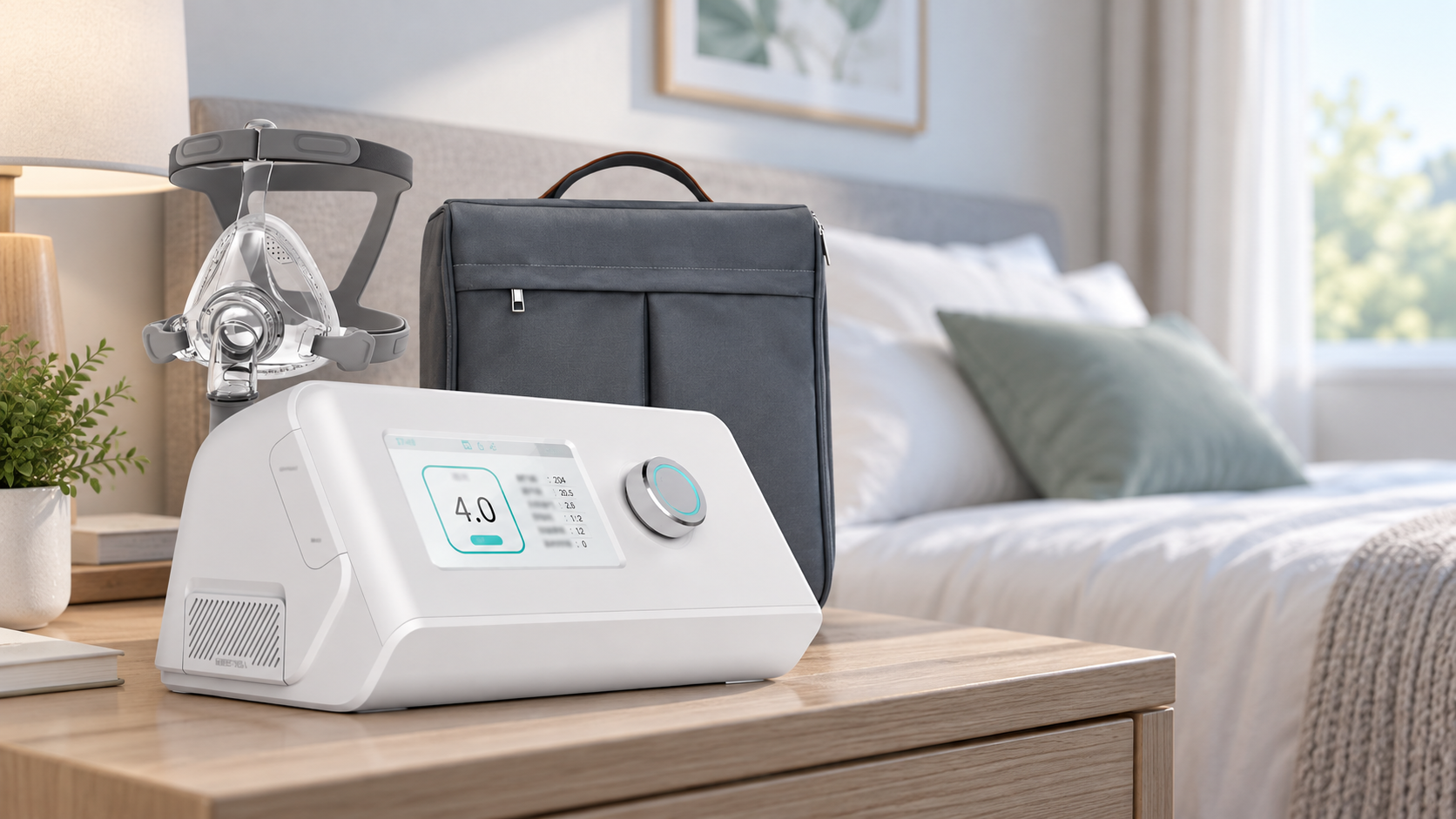
For clinics, hospitals, DME suppliers, and medical distributors, choosing the right sleep therapy products is a key business decision. CPAP and BiPAP machines both support non-invasive breathing therapy, yet they serve different patient needs.
As demand grows for home sleep care and respiratory support, buyers need a clear way to compare these devices. A strong product portfolio should cover common sleep apnea cases, more complex breathing needs, and long-term service support. Therefore, understanding the CPAP and BiPAP difference for distributors can help buyers select better products and serve more channels.
What Is a CPAP Machine?
A CPAP machine provides continuous positive airway pressure. In simple terms, it sends one steady pressure level through a mask to help keep the airway open during sleep.
CPAP is often used for obstructive sleep apnea. It is usually the first choice when the user mainly needs stable airway support at night. Because the pressure is fixed or auto-adjusted in some models, CPAP machines are often easier to explain, sell, and support.
For distributors, CPAP products can be a good fit for:
- Sleep clinics
- Home care programs
- DME retail channels
- Online medical equipment sales
- Entry-level sleep therapy portfolios
What Is a BiPAP Machine?
A BiPAP machine provides two pressure levels. One pressure supports breathing in, while a lower pressure helps breathing out. This difference can make breathing feel easier for some users.
BiPAP is often used when patients need more breathing support than standard CPAP can provide. It may also be used when users cannot tolerate higher CPAP pressure. In some models, BiPAP machines offer modes such as S, T, ST, or VAPS, which can support more advanced care needs.
For B2B buyers, BiPAP products can help expand the portfolio from basic sleep therapy to broader respiratory support.
CPAP vs BiPAP: Main Differences for Buyers
The cpap vs bipap comparison should focus on function, patient type, and channel fit.
CPAP provides one main pressure level. It is often simpler, lower cost, and widely used for sleep apnea therapy. As a result, it can be a strong volume product for DME suppliers.
BiPAP provides two pressure levels. It may be better for users who need higher inspiratory support, lower expiratory pressure, or more advanced therapy modes. Therefore, it can support clinics and distributors that serve more complex respiratory care needs.
In short, CPAP is often a core sleep therapy product. BiPAP is often a higher-value product for broader respiratory care.
When Should a Clinic Choose BiPAP Over CPAP?
A common buyer question is: when should a clinic choose BiPAP over CPAP? The answer depends on the patient’s condition and the doctor’s judgment.
In general, a clinic may consider BiPAP when:
- The patient has trouble breathing out against CPAP pressure
- Higher pressure support is needed
- CPAP therapy is not well tolerated
- The patient has certain respiratory care needs beyond standard sleep apnea
- Advanced modes are required for non-invasive ventilation support
However, device choice should always follow medical evaluation and local clinical rules. For suppliers and distributors, the key point is to provide both product options, clear specifications, and reliable technical support.
Portfolio Planning for DME Suppliers and Distributors
A balanced cpap bipap machine portfolio can help buyers serve more customers. CPAP machines can meet common sleep therapy demand, while BiPAP machines can support higher-level care needs.
A practical portfolio may include:
- Standard CPAP machines for entry-level therapy
- Auto CPAP machines for flexible pressure support
- Bi-level CPAP or BiPAP machines for users needing two pressure levels
- BiPAP ST models for more advanced respiratory support
- Masks, tubing, filters, humidifiers, and other accessories
This type of product structure helps distributors increase repeat sales. It also makes after-sales service easier because accessories and training can be planned across the full product line.
Key Features Buyers Should Compare
Before choosing a cpap bipap machine supplier, buyers should review the full product data, not just the price.
Important features include:
- Pressure range
- Therapy modes
- Humidifier design
- Heated tube option
- Noise level
- Screen size
- Alarm functions
- Data storage or reporting support
- Mask and tubing compatibility
- Device weight
- Power supply options
- User menu language
- Cleaning and filter replacement needs
In addition, buyers should check the comfort features. Ramp function, leak compensation, pressure relief, and humidification can improve user experience and reduce product returns.
Why Supplier Support Matters
Sleep and respiratory devices need long-term support. Therefore, a strong bipap machine supplier should provide complete product documents and after-sales service.
Before ordering, buyers should ask for:
- Product datasheets
- User manuals
- Training materials
- Warranty policy
- Spare parts list
- Packaging information
- Product photos and videos
- Lead time and MOQ
- OEM or ODM support
- Technical response process
These details help distributors train sales teams, support clinics, and build trust with DME partners.
How Provision Healthcare Fits B2B Respiratory Sourcing
Provision Healthcare focuses on respiratory sleep and life health products. Its product range includes CPAP-BiPAP machines, portable oxygen concentrators, oxygen concentrators, nebulizers, and accessories.
For buyers, this product focus can make sourcing more efficient. Instead of sourcing sleep therapy and oxygen therapy products from many unrelated vendors, distributors can review a wider respiratory care portfolio through one supplier channel.
Provision Healthcare also offers CPAP-BiPAP products such as intelligent BiPAP therapy devices, BiPAP ST machines, and bi-level CPAP machines. This helps buyers build a product line for both sleep care and respiratory support markets.
Buyer Checklist Before Ordering
Before choosing CPAP or BiPAP products, review these points:
- Which care setting will use the device?
- Is the target market focused on sleep apnea, respiratory care, or both?
- Are CPAP, Auto CPAP, and BiPAP options needed?
- What therapy modes are required?
- Are masks and accessories available?
- Is the device easy for users to operate?
- Are manuals and training materials clear?
- Can the supplier support spare parts and warranty service?
- Is OEM or ODM support needed?
- Can the supplier provide stable delivery?
Final Thoughts
CPAP and BiPAP machines are both important for sleep and respiratory care portfolios. CPAP is often the core product for common sleep apnea therapy, while BiPAP can support users who need more advanced pressure support.
For hospitals, clinics, DME suppliers, and distributors, the best choice is often not CPAP or BiPAP alone. Instead, a balanced product line can serve more users and create stronger business value. By working with a focused respiratory equipment supplier like Provision Healthcare, buyers can build a clearer, more complete, and more reliable sleep therapy portfolio.


