CPAP/BiPAP Accessories and Replacement Parts: How Can Buyers Control Lifecycle Costs?
News Details
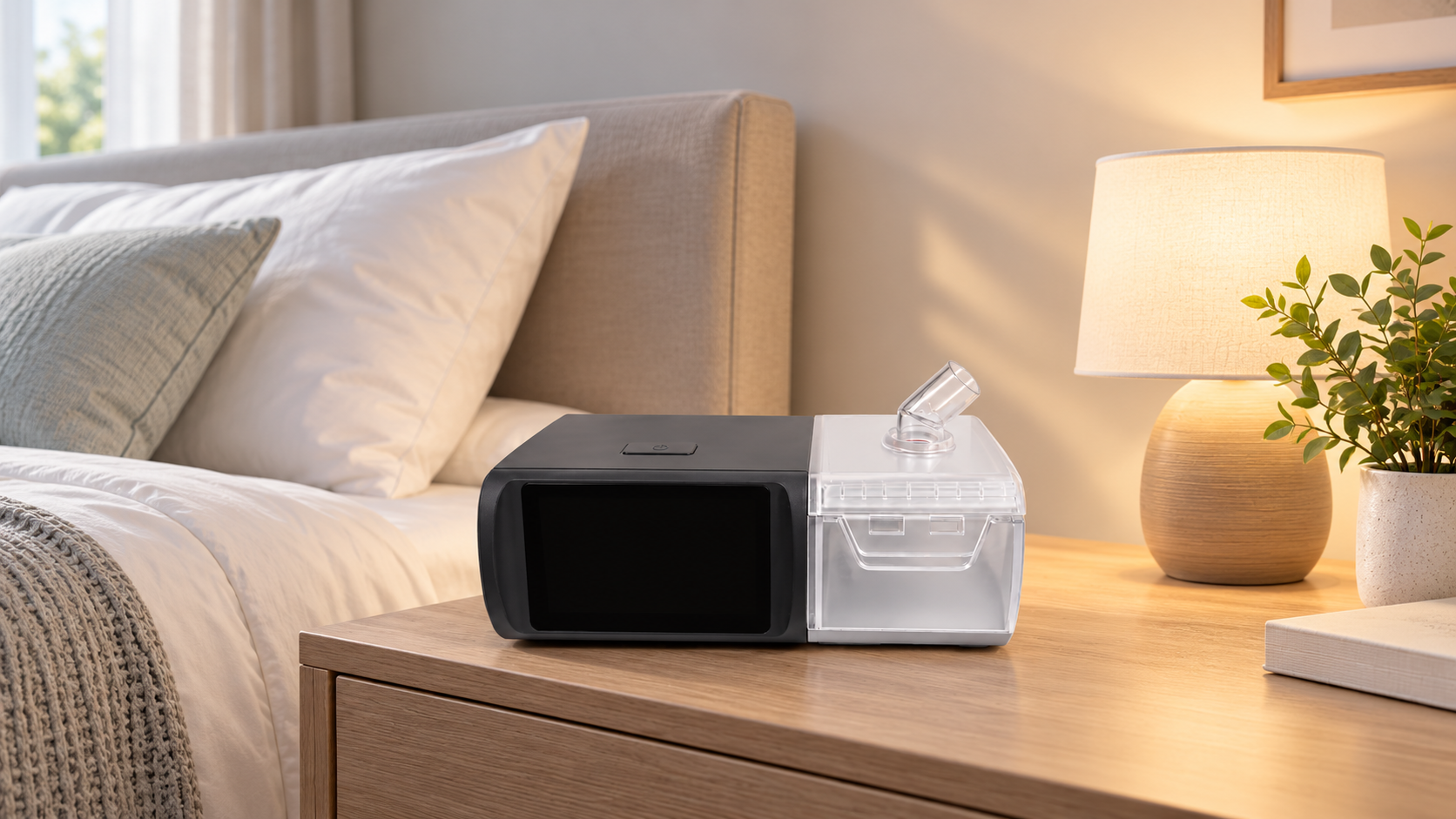
For clinics, sleep centers, DME suppliers, and medical distributors, CPAP and BiPAP machines are not one-time products. Each device needs masks, tubing, filters, humidifier parts, and other replacement cpap parts during its full service life.
Because of this, buyers should look beyond the machine price. A low device cost may not give the best value if accessories are hard to source, filters are costly, or spare parts are not available. Therefore, a clear lifecycle cost plan can help B2B buyers improve margins, reduce service issues, and support users for longer.
Why Accessories Matter in Sleep Therapy Supply
CPAP and BiPAPtherapy depends on a complete system. The machine creates pressure, but the mask, tube, filter, and humidifier parts affect comfort, hygiene, and daily use.
For distributors, accessories also create repeat demand. A strong product line can include:
- Nasal masks
- Full-face masks
- Headgear
- Air tubing
- Heated tubing
- Disposable filters
- Reusable filters
- Humidifier chambers
- Mask cushions
- Power adapters
- Carry bags
- Other replacement cpap parts
As a result, buyers who plan accessories from the start can build a more stable business model.

How Often Should CPAP Filters and Accessories Be Replaced?
A common customer question is: How often should CPAP filters and accessories be replaced? The answer depends on the device model, use time, local air quality, and cleaning habits. However, buyers can use general replacement ranges for planning.
Common replacement cycles may include:
- Disposable filters: every 2 to 4 weeks
- Reusable filters: every 3 to 6 months, after regular cleaning
- Mask cushion: every 1 to 3 months
- Headgear: every 6 months
- Standard tubing: every 3 to 6 months
- Humidifier chamber: every 6 months
- Full mask frame: every 6 to 12 months
These timelines are only general guidance. Users should always follow the product manual, supplier instructions, and clinical advice.
What Are BiPAP Filters and Why Are They Important?
BiPAP filters help protect the machine from dust and particles. They also help keep airflow cleaner for the user. Since BiPAP devices often support users with more complex breathing needs, filter quality and easy replacement are very important.
For B2B buyers, bipap filters should be checked for:
- Correct fit with the device model
- Good air flow performance
- Easy installation
- Clear replacement schedule
- Stable supply
- Safe packaging
- Cost per unit
In addition, buyers should make sure sales teams can explain the difference between disposable and reusable filters. This can reduce wrong orders and improve customer service.
Main Cost Factors Buyers Should Compare
Lifecycle cost includes more than the purchase price. To compare suppliers fairly, buyers should review the full cost of use.
Key cost points include:
- Machine price
- Mask and tubing cost
- Filter replacement cost
- Humidifier chamber cost
- Warranty parts
- Shipping cost
- MOQ and stock pressure
- Accessory compatibility
- Service response time
- Product return rate
For example, a slightly higher machine price may be acceptable if the supplier provides stable accessories, easy-to-find parts, and clear manuals. In many cases, this can lower service costs over time.
How to Build a Smart Accessory Portfolio
A good accessory portfolio should match the machines you sell. If buyers offer too many random parts, inventory becomes hard to manage. However, if they carry too few parts, users may switch suppliers.
A practical portfolio may include:
- One or two main mask types
- Standard tubing and heated tubing
- Disposable and reusable filters
- Humidifier chambers
- Power accessories
- Travel bags
- High-demand spare parts
This setup gives DME suppliers a clear base for sales, rental programs, and after-sales service.
What to Ask a CPAP Accessories Supplier
Before choosing a cpap accessories supplier, buyers should ask for complete product and service details. This helps avoid delays after the first order.
Important questions include:
- Which machines are the accessories compatible with?
- Are filters, masks, tubes, and chambers available together?
- What is the MOQ for each item?
- Can the supplier support OEM or private label needs?
- Are manuals and product photos available?
- How are accessories packed?
- What is the lead time for repeat orders?
- Are spare parts kept in stable production?
Clear answers can help buyers plan stock, pricing, and service packages.
How Provision Healthcare Supports B2B Buyers
Provision Healthcare focuses on respiratory sleep and life health products, including CPAP-BiPAP machines, oxygen concentrators, portable oxygen concentrators, nebulizers, and related accessories.
For B2B buyers, this product focus is helpful. Clinics, DME suppliers, and distributors can source machines and related respiratory products through one supplier channel. This can make product matching, training, and after-sales planning easier.
In addition, buyers can build a wider care portfolio that includes sleep therapy, oxygen therapy, and respiratory support products.
Buyer Checklist Before Ordering
Before placing an order, review these points:
- Are key accessories available for the machine?
- Are filters easy to replace?
- Are masks comfortable and available in useful sizes?
- Are tubing and humidifier parts compatible?
- Is the replacement schedule clear?
- Are product photos and manuals ready?
- Is the spare parts list complete?
- Can the supplier support repeat orders?
- Is warranty support clear?
- Does the full lifecycle cost fit your market?
Final Thoughts
CPAP and BiPAP machinescreate long-term value only when accessories and replacement parts are easy to manage. Filters, masks, tubing, and humidifier parts all affect comfort, safety, and service cost.
For clinics, DME companies, and distributors, the best choice is to plan the full product lifecycle from the start. By working with a focused respiratory supplier such as Provision Healthcare, buyers can build a stronger sleep therapy portfolio with clearer costs, better support, and more reliable repeat sales.


