How Can Buyers Choose Home Non-Invasive Ventilation Equipment for Chronic Respiratory Care?
News Details
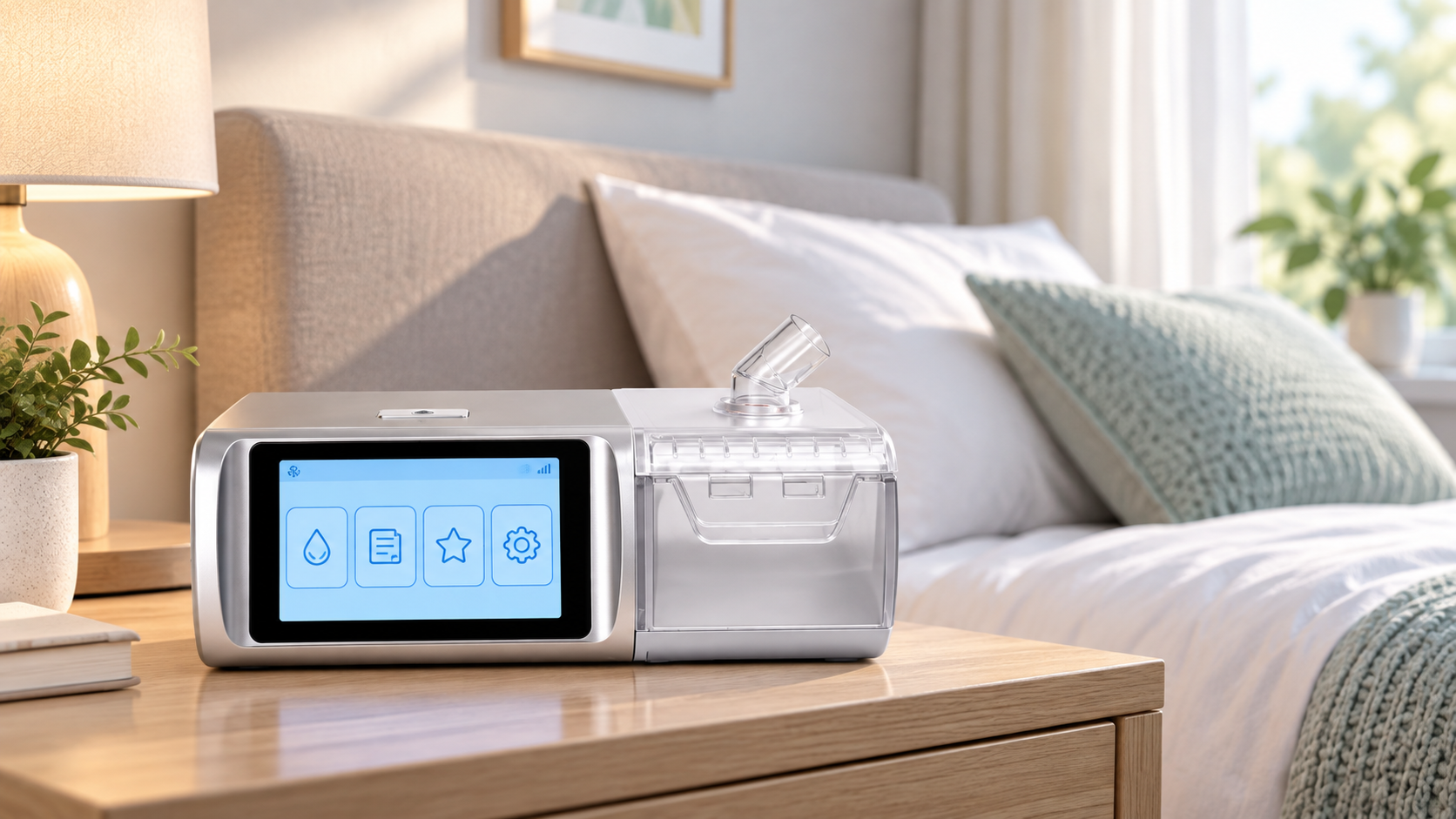
Home respiratory care is expanding rapidly as more patients require long-term breathing support outside hospital settings. Driven by this trend, clinics, durable medical equipment (DME) suppliers, distributors, and home care providers are actively seeking reliable home non-invasive ventilation machines.
A high-quality non-invasive ventilation (NIV) device can support patients with chronic respiratory needs, while also helping care teams reduce unnecessary hospital visits and improve patients’ daily comfort. However, buyers should not make decisions based solely on the device price. Key factors to evaluate also include therapy modes, comfort features, alarm systems, accessories, after-sales service, and the supplier’s overall capabilities.
What Is Home Non-Invasive Ventilation?
Home non-invasive ventilation, commonly referred to as NIV, provides respiratory support through a mask rather than an invasive tube. It is widely used for long-term respiratory care under professional medical guidance.
For many B2B buyers, NIV systems include BiPAP or bi-level devices. These machines deliver two different pressure levels: one for inhalation and one for exhalation. This design helps make therapy more comfortable and easier to tolerate for many patients.
A BiPAP device for respiratory care may be used in sleep therapy, chronic respiratory support, or home ventilation programs. The specific application depends on the patient’s condition and the physician’s clinical judgment.
Why Home NIV Is Important for B2B Buyers
Home NIV delivers value across multiple healthcare channels. Hospitals may use it to support patient discharge and reduce readmission rates. Clinics may integrate it into long-term therapy management plans. DME suppliers can provide complete solutions including devices, masks, tubing, filters, and related service programs.
For distributors, the home NIV market supports both initial device sales and ongoing recurring revenue from accessory replacements. In addition, home care providers can develop differentiated service packages covering device setup, patient training, filter replacement, and follow-up support.
Therefore, a comprehensive NIV product portfolio can help buyers address both the sleep therapy and chronic respiratory care market segments.
Key Features B2B Buyers Should Compare When Selecting Home-Care NIV Devices
A common question is: What features do home-care NIV buyers compare? In most cases, B2B buyers evaluate both clinical functionality and real-world user comfort.
Important features include:
- Pressure range
- Therapy modes
- CPAP, S, T, ST, or VAPS options
- Trigger sensitivity
- Leak compensation
- Humidifier compatibility
- Heated tubing option
- Alarm system
- Noise level
- Display size
- Data storage capacity
- Mask compatibility
- Power supply options
- Device weight
- Filter design
- Menu language options
These details help buyers match the right device to their target customer groups. They also enable sales and service teams to introduce products with greater professionalism and confidence.
Why Therapy Modes Are Important
Different users require different types of respiratory support. A basic CPAP mode may be sufficient for some sleep therapy patients. However, patients with chronic respiratory conditions often require more advanced therapy modes.
For example, ST mode can provide timed backup breaths to ensure adequate ventilation. VAPS mode may help deliver more stable ventilation in specific clinical scenarios. Therefore, buyers should confirm whether the device can cover both basic and advanced clinical needs.
This is especially important for DME companies and medical distributors that serve clinics, hospitals, and home care programs simultaneously.
Comfort Features Can Reduce Service Requests
Home NIV users often need to use the device for several hours during the day or night. Therefore, comfort is not a minor detail. It directly affects user adherence, return rates, and after-sales service requests.
Comfort-focused features may include:
- Smooth pressure ramp-up
- Ramp function
- Quiet operation
- Stable humidification
- Soft airflow control
- Clear display
- Intuitive button layout
- Lightweight mask options
When users feel more comfortable, they are more likely to adhere to prescribed therapy. For B2B buyers, this translates into fewer customer complaints and stronger long-term customer loyalty.
Alarm and Safety Functions to Evaluate
Home-care devices must be easy to operate, but they also require clear and reliable safety alerts. Buyers should carefully evaluate the alarm system before making a purchase.
Common alarm functions may include:
- Power failure alarm
- High or low pressure alarm
- Mask leak alarm
- Tubing disconnection alarm
- Low ventilation alarm
- Device malfunction alarm
- Filter replacement or maintenance reminder
Clear alarms help users and caregivers respond promptly to abnormal situations. In addition, well-designed user manuals and training materials can reduce operational errors in the home environment.
Accessories and Replacement Parts
A home NIV device is only one component of the complete respiratory support system. Buyers should also plan for ongoing supply of masks, tubing, filters, humidifier chambers, power adapters, and other consumable parts.
A reliable NIV device supplier should ensure stable availability of:
- Full-face masks
- Nasal masks
- Headgear
- Air tubing
- Heated tubing
- Filters
- Humidifier chambers
- Power supplies
- Carry bags
- Spare parts
This helps distributors manage inventory and support recurring order cycles. It also helps clinics and home care teams ensure uninterrupted therapy for patients.
How to Evaluate an NIV Device Supplier
Selecting the right supplier can reduce long-term business risks. Buyers should request clear documentation, product specifications, and service support before placing bulk orders.
Recommended supplier evaluation checks include:
- Product datasheets
- User manuals
- Training materials
- Warranty policy
- Spare parts list
- Packaging specifications
- Lead time and minimum order quantity (MOQ)
- OEM or ODM customization options
- Technical support process
- Long-term supply capacity
A supplier with a focused respiratory product line is often better positioned to support buyers than a general trading company.
How Provision Healthcare Supports Respiratory Product Buyers
Provision Healthcare focuses on respiratory, sleep, and life health products. Its product range includes CPAP/BiPAP machines, oxygen concentrators, portable oxygen concentrators, nebulizers, masks, and related accessories.
For B2B buyers, this specialized product focus is highly valuable. Clinics, DME suppliers, and distributors can source sleep therapy and respiratory care products through a single channel. In addition, Provision Healthcare offers BiPAP and non-invasive ventilation products that can support both home care and clinical respiratory market applications.
Buyer Checklist Before Ordering
Before selecting a home NIV product, review the following key points:
- Does the device meet your home respiratory care requirements?
- Are the included therapy modes suitable for your target market?
- Is the device easy for end users and caregivers to operate?
- Are the alarm functions clear and practical?
- Is the noise level acceptable for nighttime use?
- Are matching masks and accessories readily available?
- Are filters and replacement parts easy to source and replace?
- Does the supplier provide user manuals and training support?
- Is the warranty policy clearly defined?
- Can the supplier support recurring and repeat orders?
Final Thoughts
Home NIV equipment plays a critical role in modern chronic respiratory care. For B2B buyers, the right device should be reliable, comfortable, easy to service, and backed by a strong and dependable supplier.
By systematically comparing therapy modes, alarm systems, comfort features, accessory availability, and after-sales support, clinics and DME suppliers can build a stronger home respiratory care product portfolio. Partnering with a specialized NIV device supplier such as Provision Healthcare can also help buyers serve more patients and develop a more stable and sustainable respiratory care business.


