OEM CPAP and BiPAP Machines: Certification, Branding, and Packaging Checklist
News Details
Running a medical equipment business means you must always look for ways to grow. Many regional suppliers ask an important question: Can CPAP machines be private labeled for regional DME brands? The short answer is yes. Working closely with a trusted cpap manufacturer allows you to put your own logo and brand identity on high-quality respiratory devices.
However, launching a custom medical product takes careful planning. You cannot just slap a logo on a box. You must follow strict rules for safety, quality, and design. Below is a simple checklist to help you build a strong, branded product line.
Step 1: Partner with a Reliable CPAP Manufacturer
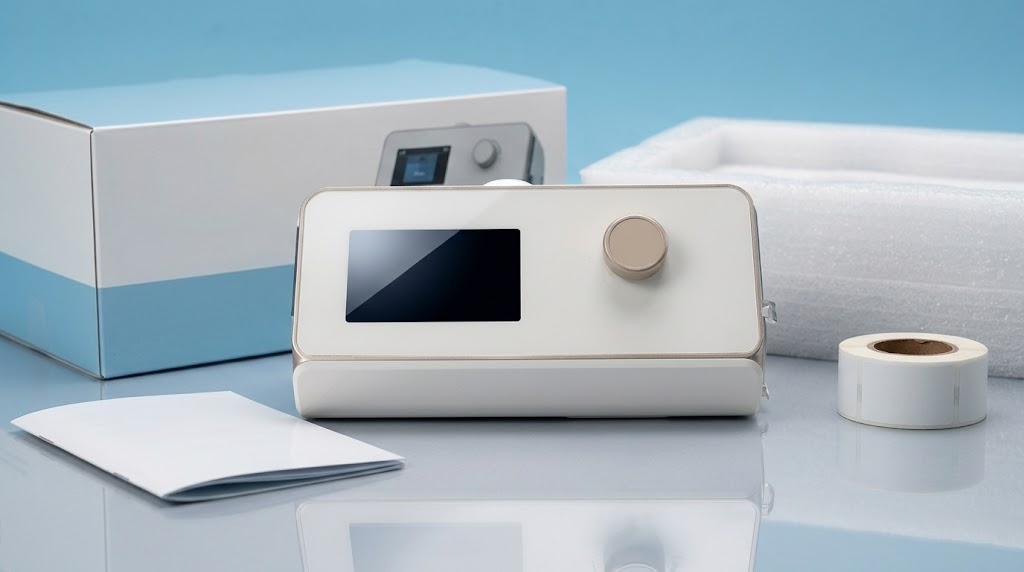
Your project's success starts with your manufacturing partner. When you look for an oem cpap machine or a private label bipap machine, you need a factory with a proven track record.
-
Check Experience: Look for a partner who has years of experience in respiratory care. They should understand air pressure stability, quiet motor design, and data tracking features.
-
Inspect the Factory: Make sure the maker has clean production lines and strict testing protocols. Every single unit must be checked before it leaves the factory floor.
-
Ask About Customization: Find out how much they can change. Can they update the software interface? Can they add your startup screen logo? A good partner will offer flexible options.
Step 2: Master Medical Certifications and Compliance
Medical devices touch human lives, so governments enforce very strict laws. Before you sell any respiratory device, you must make sure the paperwork is complete.
-
Regulatory Approvals: Ensure your devices meet global standards like CE, FDA, or ISO 13485. Without these, you cannot legally sell the equipment in many major markets.
-
Local Market Rules: Regional durable medical equipment (DME) providers must check if local health boards need extra testing.
-
Traceability: Your factory partner must provide clear batch numbers and serial tracking. This makes quality control much easier if a customer ever needs support.
Step 3: Design Your Private Label Branding
Branding goes far beyond a simple sticker. To build trust with clinics and patients, your devices need a professional and clean look.
-
Device Aesthetics: Work with your production partner to choose shell colors and textures that match your company style.
-
Startup Screens: Program the digital display to show your brand name and customer support number every time the user turns on the device.
-
Software and Apps: Many modern sleep therapy units connect to smartphones. Make sure your data app uses your brand colors and name.
Step 4: Plan Custom Packaging and Manuals
Packaging is the first thing your buyers see. Good packaging protects fragile medical gear and builds instant trust.
-
Durable Materials: CPAP and BiPAP units are heavy and contain sensitive parts. Use strong outer boxes and custom foam inserts to stop damage during shipping.
-
Clear User Manuals: Translate user guides and quick-start sheets into the local languages of your target markets. Clear instructions lead to fewer customer service calls.
-
Accessory Kits: Bundle your main units neatly with hoses, power cords, and filters so the patient has everything they need right out of the box.
Conclusion
Expanding your product line with custom respiratory devices is a smart move for growing businesses. By picking the right production partner, keeping your certifications in order, and focusing on clean design, you can launch a successful brand. Take time to plan each step, and your new product line will surely stand out in the market.


