Travel Portable Oxygen Concentrator: Battery, Flow, Airline Qualification Guide
News Details
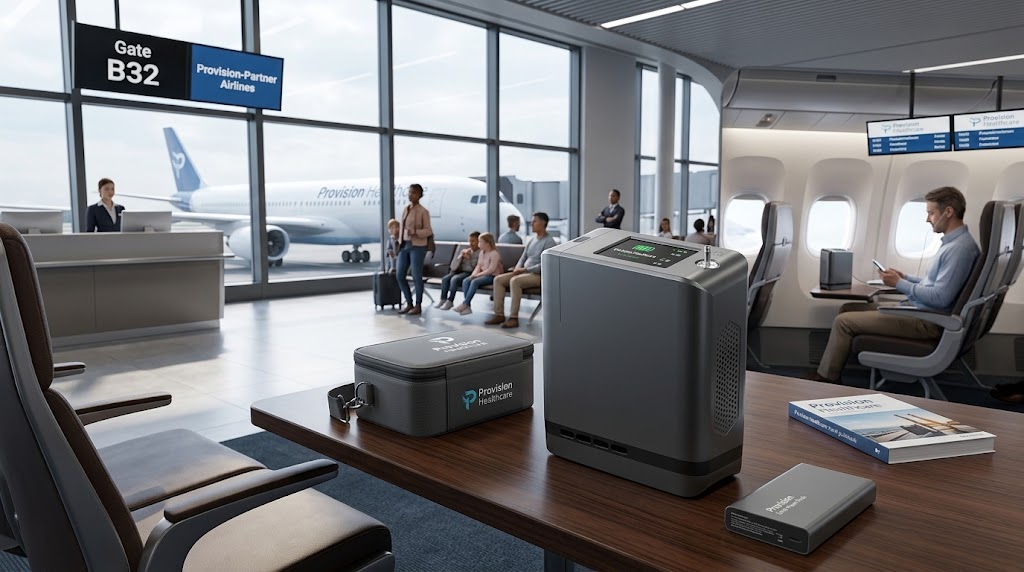
Travelers who rely on daily oxygen therapy want to explore the world without feeling limited by heavy equipment. Because of this growing desire for freedom, the demand for reliable travel medical devices has grown very fast. Medical equipment suppliers and durable medical equipment (DME) distributors need products that meet these dynamic lifestyle demands. A reliable portable oxygen concentrator travel device allows users to take flights, go on long road trips, and stay active while maintaining their health.
However, selecting the right device for an active product lineup involves much more than just picking a lightweight frame. Distributors must carefully evaluate battery performance, oxygen delivery methods, and official flight safety regulations. Here is a clear guide to help you serve your active oxygen therapy clients effectively.
Understanding Oxygen Flow Settings and Delivery
First, you must evaluate how a portable unit delivers oxygen to the user. Different patients need different flow types depending on their daily activity levels, sleep habits, and medical prescriptions.
-
Pulse Dose Flow: These units detect when the user inhales and deliver a precise burst of air right at that moment. Because they only supply oxygen during inhalation, they use much less electrical power. This key advantage makes them ideal for small, lightweight travel units.
-
Continuous Flow: These models deliver a steady stream of air regardless of the user's breathing speed. Although they require larger compressor motors and heavier battery units, many patients need continuous flow during rest or sleep.
-
Matching Patient Needs: Always help your buyers choose a unit that matches their exact prescribed liter flow. A compact pulse dose unit works great for daily errands, while versatile continuous models support full-day trips and overnight stays.
Battery Performance and Runtime Essentials
Power management is always a top concern for anyone traveling with medical devices. So, What should distributors know about POC battery runtime?
To start, manufacturers usually test and publish battery times based on the lowest pulse setting. Higher flow settings require more motor work and drain energy much faster. Therefore, distributors should educate buyers on how real-world power usage changes based on chosen settings.
In addition, offering a reliable battery portable oxygen concentrator with easily interchangeable battery packs gives users peace of mind during long journeys. Many travelers prefer carrying lightweight spare batteries or using DC car adapters while driving. Highlighting fast-charging features and hot-swappable battery slots will build strong buyer trust and satisfaction.

Airline Compliance and Flight Readiness
Air travel requires strict safety checks and regulatory approvals. Patients cannot simply bring any battery-powered device onto a commercial airplane without proper clearance.
-
FAA Approval: Passengers must carry an FAA approved oxygen concentrator to use the device on commercial flights within the United States and on international routes. These tested machines will not interfere with delicate aircraft electronics.
-
Extra Battery Rules: Most airlines require travelers to carry enough total battery capacity to last 150% of the planned flight time. This extra battery buffer protects travelers against unexpected flight delays or tarmac holds.
-
Clear Body Labeling: Make sure your device clearly displays the official FAA compliance text directly on the outer shell. This allows airport security officers and flight crews to verify and clear the device without unnecessary delays.
Building Confidence for Modern Travelers
In conclusion, offering high-performance travel oxygen units helps distributors stand out in today's competitive medical equipment market. When you supply reliable devices alongside clear guidance on battery care, flow settings, and airline rules, you empower your end users to travel with full confidence. Focus on dependable build quality and clear compliance, and your brand will quickly become a trusted name in modern respiratory care.


