What Should Buyers Know About Portable Oxygen Concentrators for Air Travel?
News Details
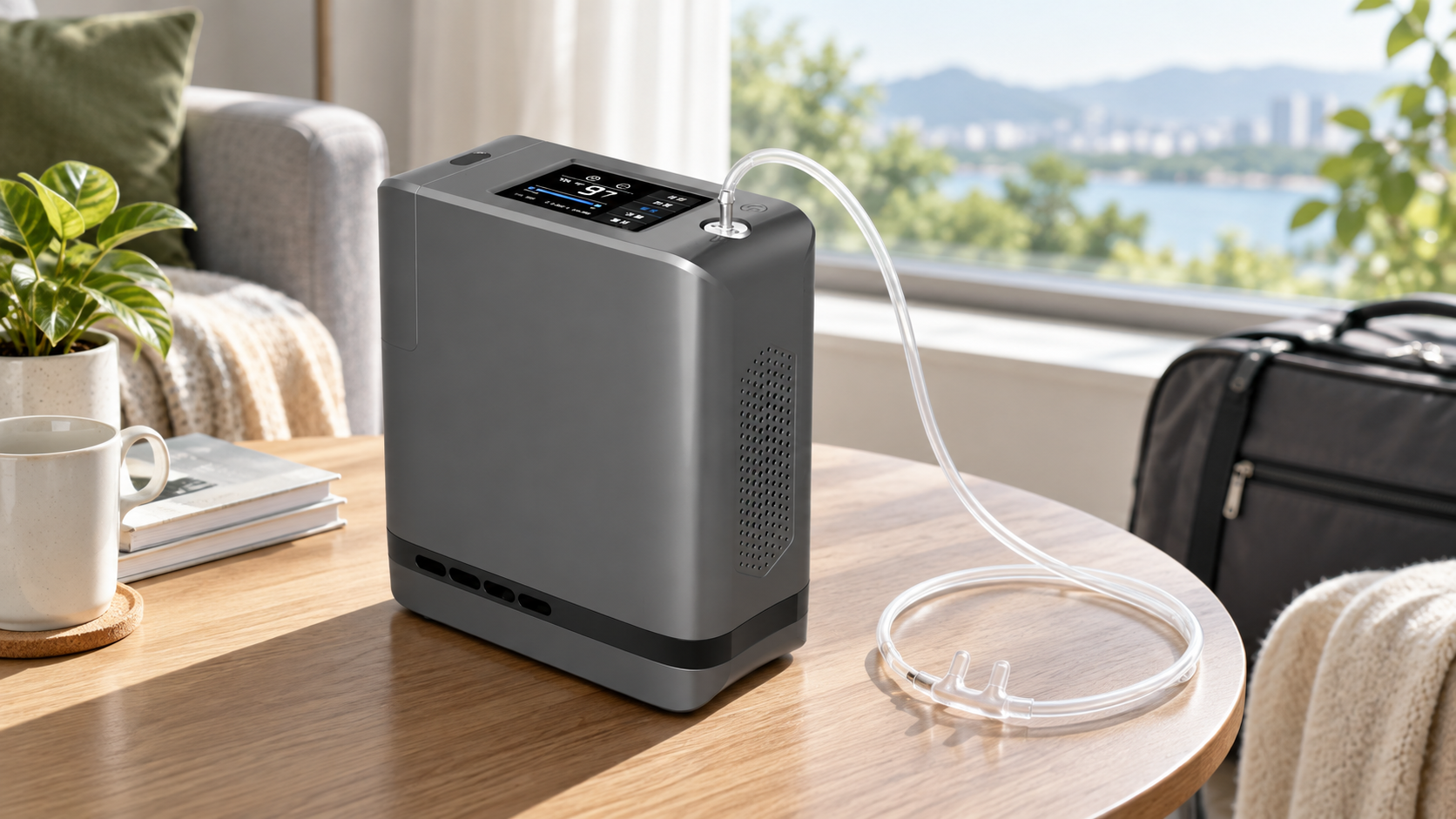
Portable oxygen concentrators are important products for DME suppliers, medical distributors, home care providers, and respiratory care companies. As more oxygen users travel for family, work, treatment, and daily life, the demand for a safe and easy-to-carry oxygen concentrator for air travel keeps growing.
However, air travel has special rules. Buyers should not only compare price, weight, and flow settings. They should also check airline use, battery needs, user guidance, and supplier support. A well-selected travel oxygen concentrator can help patients move with more confidence. At the same time, it can help DME companies reduce service issues and build stronger trust with customers.
Why Air Travel Use Matters for DME Buyers
For many oxygen users, travel is no longer a rare need. They may need to fly to another city for care, visit family, or take a planned trip. Therefore, portable oxygen concentrators are becoming a key part of home oxygen solutions.
For B2B buyers, this creates a clear market opportunity. A compact and reliable FAA portable oxygen concentrator can support DME rental programs, retail sales, hospital discharge planning, and home care services. In addition, it gives distributors a stronger product line for customers who need both daily oxygen support and travel use.
Still, buyers should be careful. Not every portable model is suitable for flight use. Before placing an order, procurement teams should review device labels, battery data, documents, and after-sales service.
What Are the Basic FAA Portable Oxygen Concentrator Rules?
The FAA allows certain portable oxygen concentrators to be used on aircraft when they meet required safety standards. In simple terms, the device must be safe for cabin use and must not interfere with aircraft systems.
When reviewing a product, buyers should check whether the device:
- Is designed as a portable oxygen concentrator
- Has the required FAA-related label or support documents
- Does not use compressed oxygen
- Uses batteries that meet air travel safety needs
- Includes clear user instructions
- Has reliable alarms and stable oxygen delivery
In many cases, airlines also have their own process. So, even if a device meets FAA rules, passengers may still need to contact the airline before flying. This is why DME suppliers should provide clear guidance to users at the point of sale.
Key POC Airline Rules to Explain to Customers
POC airline rules may vary by airline, route, and country. However, most airlines ask users to prepare in advance.
Common airline requirements may include:
- Informing the airline before the flight
- Confirming the POC model can be used onboard
- Bringing enough fully charged batteries
- Carrying spare batteries in the cabin
- Protecting battery terminals from short circuit
- Avoiding exit row seating while using the device
- Bringing medical forms if required by the airline
Because each airline may use a different form or approval process, users should confirm details before travel. For DME buyers, this means customer education is part of the product value. A simple travel guide, battery checklist, or FAQ sheet can reduce confusion and improve the user experience.
Battery Planning Is a Key Buying Point
Battery runtime is one of the most important factors for air travel. Many airlines expect users to bring enough battery power for the full trip, often with extra time included. This helps cover boarding, taxi time, flight delays, and arrival procedures.
Therefore, buyers should ask suppliers for clear battery data. Important details include:
- Runtime at each flow setting
- Charging time
- Battery weight
- Number of batteries supported
- AC and DC charging options
- Spare battery packaging guidance
- Battery safety documents
A travel oxygen concentrator with easy battery replacement and clear power indicators can be easier for older users and caregivers. Also, extra batteries and chargers can become useful add-on products for DME channels.
Product Features Buyers Should Compare
When choosing a portable oxygen concentrator for air travel, buyers should compare the full user experience, not only the catalog specifications.
Important features include:
- Lightweight body design
- Compact size for carry-on use
- Pulse dose oxygen settings
- Clear screen and simple buttons
- Low noise level
- Long battery life
- Strong alarm system
- Comfortable carry bag
- Easy filter replacement
- Stable oxygen purity
- Clear manuals and labels
In addition, packaging matters. Strong packaging helps reduce damage during international shipping. Clear labels and user-friendly manuals can also help distributors sell and support the product more easily.
What Documents Should Suppliers Provide?
A strong supplier should support buyers with complete product information. This is especially important for importers, DME distributors, and tender buyers.
Before purchasing, ask for:
- Product datasheet
- User manual
- Battery information
- Warranty policy
- Spare parts list
- Product photos
- Packing details
- Training materials
- Compliance documents for the target market
These documents help sales teams, service teams, and end users understand the product faster. They also help buyers prepare for tenders, online listings, dealer training, and customer support.
HowProvision Healthcare Supports Respiratory Buyers
Provision Healthcare focuses on respiratory sleep and life health products, including oxygen concentrators, portable oxygen concentrators, CPAP/BiPAP machines, nebulizers, and related accessories. For DME companies and medical equipment distributors, this product range can support wider respiratory care sourcing.
When buyers work with a focused respiratory equipment supplier, they can often improve product matching, technical communication, and long-term service planning. This is useful for companies that sell to hospitals, clinics, home care providers, and end users through DME channels.
Buyer Checklist Before Ordering
Before choosing a FAA portable oxygen concentrator for your market, use this simple checklist:
- Is the product suitable for air travel?
- Does it have FAA-related labeling or documents?
- Are airline use instructions clear?
- Is battery runtime enough for travel needs?
- Are spare batteries easy to order?
- Is the device light enough for daily carrying?
- Are alarms clear and easy to understand?
- Does the supplier provide manuals and training?
- Are spare parts and accessories available?
- Is the warranty policy clear?
Final Thoughts
Air travel is an important use case for portable oxygen concentrators. For buyers, the right product should be light, reliable, easy to use, and supported by clear documents. More importantly, it should help users follow airline rules with less stress.
By checking FAA portable oxygen concentrator requirements, battery performance, supplier support, and customer guidance, DME buyers can build a stronger travel oxygen concentrator product line. This can help patients travel with more freedom while helping distributors grow a more reliable respiratory care business.


