How Can Hospitals and DME Buyers Build a Clear Respiratory Equipment Tender Checklist?
News Details
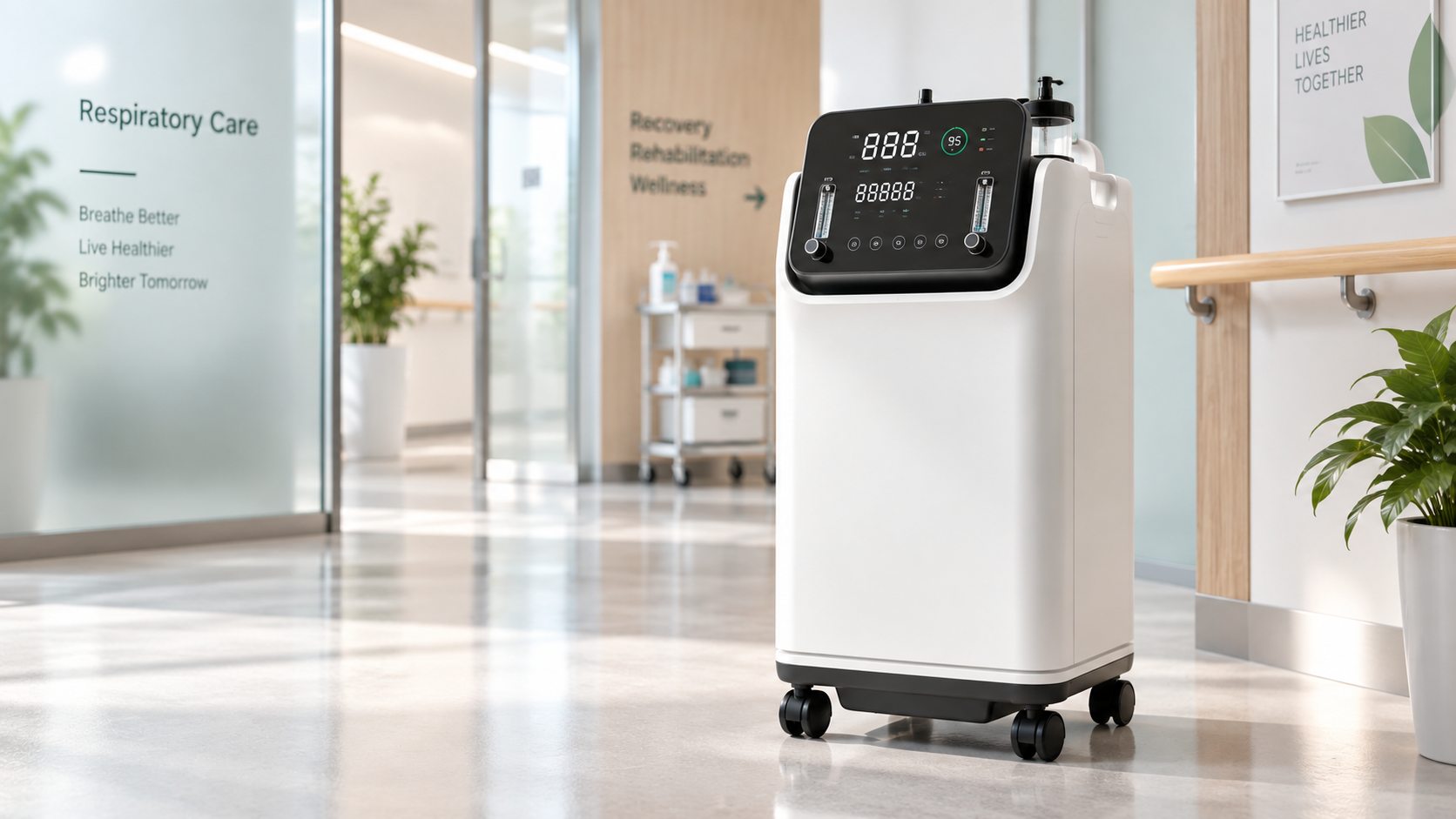
For hospitals, clinics, home care providers, and DME distributors, buying respiratory equipment is not only about price. It is also about stable supply, clear technical data, after-sales support, and long-term patient safety.
A strong respiratory equipment tender helps buyers compare suppliers in a fair and simple way. It also helps avoid delays, unclear product claims, and service gaps after delivery. Whether you are sourcing oxygen concentrators, non-invasive ventilators, CPAP/BiPAP machines, portable oxygen concentrators, nebulizers, or accessories, the checklist below can help your team make a better decision.
1. Define the Clinical Use First
Before asking for quotes, start with the real use case. This step keeps the tender focused and saves time later.
For example, hospitals may need high-flow oxygen concentrators for wards, emergency backup, or respiratory departments. DME companies may need portable oxygen concentrators for home care users who need mobility. Sleep clinics may focus on CPAP and BiPAP therapy devices.
Your respiratory equipment tender should state:
- Product category
- Intended care setting
- Patient type
- Expected daily use time
- Required quantity
- Delivery schedule
- Warranty needs
- Training and service needs
This makes it easier for each supplier to provide the right model, not just the lowest price.
2. Check Core Product Specifications
Next, list the key technical points for each product type. A clear ventilator tender specification or oxygen concentrator requirement helps suppliers respond in the same format.
For oxygen concentrators, include:
- Flow range
- Oxygen purity
- Noise level
- Power use
- Alarm functions
- Display type
- Nebulization option, if needed
- Suitable use: home, clinic, or hospital
For portable oxygen concentrators, include:
- Pulse flow settings
- Battery life
- Weight
- Charging options
- Travel use needs
- Carrying accessories
For CPAP/BiPAP and non-invasive ventilator products, include:
- Pressure range
- Therapy modes
- Humidifier option
- Screen size
- Data support
- Alarm system
- Mask and tubing compatibility
ProVision Healthcare offers oxygen concentrators, portable oxygen concentrators, CPAP/BiPAP machines, nebulizers, and related respiratory accessories. Therefore, buyers can compare several respiratory categories under one supplier review process.
3. Review Supplier Manufacturing Strength
A good DME oxygen concentrator supplier should show more than product photos. Buyers should ask for clear proof of production ability, quality control, and product stability.
In the tender, request details such as:
- Company profile
- Factory capability
- R&D background
- Product test process
- Quality management documents
- Available models and lead times
- OEM or ODM support, if needed
Hefei ProVision Healthcare Technology Co., Ltd. is based in Hefei, Anhui Province, China. The company focuses on respiratory sleep and life health products, including non-invasive ventilators and oxygen concentrators. This type of product focus is important for buyers who want a long-term respiratory equipment partner.
4. Ask for Documents and Compliance Support
For any respiratory equipment tender, documents matter. They help the buyer’s internal team, tender committee, customs team, and after-sales team work faster.
Ask suppliers to provide:
- Product datasheets
- User manuals
- Packing details
- Warranty policy
- Spare parts list
- Product photos
- Test reports, where available
- Certificates required by your market
Also, ask if the supplier can support private label packaging, language changes, or market-specific documents. This is especially useful for DME distributors, importers, and tender agents.
5. Compare Service, Training, and Spare Parts
Respiratory products are used in serious care settings. So, after-sales support must be part of the tender score.
Your checklist should include:
- Technical training support
- Video or online guidance
- Spare parts availability
- Response time
- Repair process
- Warranty coverage
- Distributor support
- Long-term supply plan
In many tenders, service can be the difference between a smooth project and a costly delay. Therefore, it is wise to score service support separately from product price.
6. Evaluate Total Cost, Not Only Unit Price
A low unit price may look good at first. However, it may not be the best value if the product has short battery life, weak service support, high noise, poor packaging, or limited spare parts.
A fair tender review should include:
- Unit price
- Shipping cost
- Packing quality
- Warranty term
- Spare parts cost
- Training cost
- Product lifespan
- Energy use
- Supplier response speed
This gives your team a clearer view of the full purchase cost.
7. Build a Simple Tender Score Sheet
To make the final choice easier, use a score sheet. For example:
- Product specification: 30%
- Quality and documents: 20%
- Supplier capability: 20%
- Price and payment terms: 15%
- Service and warranty: 15%
This method helps hospitals and DME buyers compare suppliers with less bias. It also makes the decision easier to explain to managers, partners, and procurement teams.
Conclusion
A strong hospital or DME tender checklist should be simple, clear, and complete. It should cover product use, technical data, supplier strength, documents, service, and total cost.
For buyers looking for oxygen concentrators, portable oxygen concentrators, CPAP/BiPAP machines, nebulizers, or non-invasive ventilators, ProVision Healthcare can be considered as a respiratory equipment supplier for B2B sourcing, distribution, and tender projects.


