Will GLP-1 Drugs Replace CPAP in the Sleep Apnea Market?
News Details
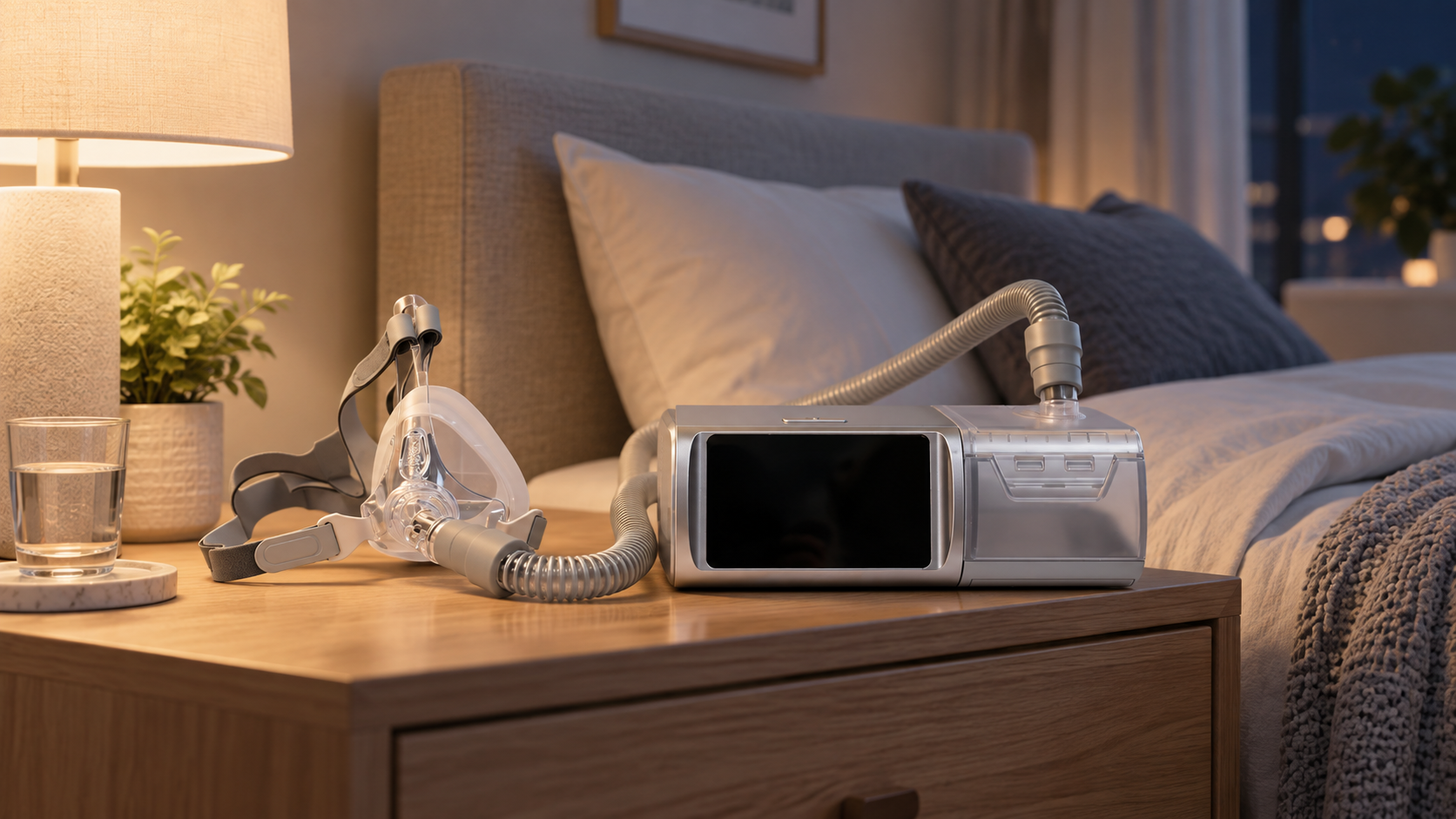
The rise of GLP-1 drugs has changed the way many people talk about weight, health, and sleep apnea. Since excess weight is a major risk factor for obstructive sleep apnea, many distributors now ask a clear question: will GLP-1 drugs replace CPAP?
The short answer is no, not in the near term. However, they may change how the OSA treatment market grows. For equipment distributors, this shift is not only a risk. It is also a chance to build a more complete respiratory care business.
GLP-1 and Sleep Apnea: What Has Changed?
GLP-1 drugs were first known for diabetes and weight management. Later, research showed that weight loss from these drugs may help reduce obstructive sleep apnea symptoms in some patients with obesity.
In December 2024, the U.S. FDA approved Zepbound for moderate to severe obstructive sleep apnea in adults with obesity. It is used together with a reduced-calorie diet and more physical activity.
This was a major step because it gave certain patients a medicine-based option. Even so, it does not mean every sleep apnea patient can stop using CPAP. Many patients still need airway support during sleep, especially when their airway collapse is not only linked to body weight.
Zepbound vs CPAP: Are They Competitors?
The topic of Zepbound vs CPAP is important for distributors. Yet these two options do not work in the same way.
CPAP and APAP machines help keep the airway open by delivering positive air pressure during sleep. As a result, they can support breathing from the first night of use when the setup is right.
Zepbound works in a different way. It helps reduce body weight, which may lower the severity of sleep apnea over time in adults with obesity. Therefore, its effect is more gradual and depends on the patient, treatment plan, and long-term use.
Because of this, many patients may still use CPAP while taking GLP-1 drugs. Others may need follow-up sleep tests before changing their device use. For distributors, this means CPAP demand may shift, but it is unlikely to disappear.
Why CPAP Still Matters
CPAP remains a key treatment for obstructive sleep apnea. It is widely used, well known by sleep clinics, and supported by a large service system.
Also, not all OSA patients are obese. Some have airway structure issues, age-related risk, nasal problems, jaw position issues, or other health factors. For these users, weight loss medicine may not solve the full problem.
In addition, CPAP offers a clear device-based solution for nightly breathing support. Masks, tubing, filters, humidifiers, and replacement parts also create steady demand for distributors and home care providers.
So, while GLP-1 drugs may reduce disease severity for some users, they do not remove the need for PAP therapy across the market.
How the OSA Treatment Market May Change
The OSA treatment market may become more mixed. Instead of one main path, care may include weight management, PAP therapy, oral appliances, surgery, lifestyle support, and remote monitoring.
This means distributors should expect more patient segments. Some users may start with medicine and later need CPAP. Others may use CPAP first, then add weight-loss treatment. Some may need BiPAP or non-invasive ventilation if their breathing needs are more complex.
As a result, equipment suppliers should not view GLP-1 drugs only as a threat. Instead, they should prepare for a market where doctors, clinics, and patients want flexible product choices.
CPAP Market Outlook for Distributors
The CPAP market outlook is still positive, but it may become more service-driven. Buyers may ask for quieter machines, better masks, heated humidification, portable options, simple setup, and stronger after-sales support.
Distributors should also expect more focus on compliance. If patients stay on CPAP while using GLP-1 drugs, comfort becomes even more important. A poor mask fit or noisy device may cause users to stop therapy too early.
Therefore, product quality, mask range, spare parts, and service training will matter more. Companies that offer full respiratory sleep solutions will be in a better position than those selling only one device type.
What Equipment Distributors Should Do Next
First, distributors should keep CPAP and BiPAP products in their core catalog. Demand may change by region, but sleep apnea remains common and underdiagnosed.
Second, they should expand related products such as masks, tubing, filters, humidifiers, and portable respiratory devices. These items support repeat business and better user care.
Third, they should train sales and service teams to explain the difference between medicine and device therapy in simple terms. This helps build trust with clinics, dealers, and home care channels.
Finally, distributors should work with manufacturers that understand respiratory sleep care. Provision Healthcare provides products such as CPAP/BiPAP machines, oxygen concentrators, portable oxygen concentrators, nebulizers, and masks for B2B buyers. This broad product base can help partners respond to changes in the sleep and respiratory care market.
Final Thoughts
GLP-1 drugs will influence sleep apnea care, especially for adults with obesity. However, they are not a full replacement for CPAP. The future is more likely to be a combined treatment model.
For distributors, the best plan is to stay flexible. Watch the GLP-1 and sleep apnea trend, understand Zepbound vs CPAP, and prepare for a wider OSA treatment market. With the right product mix and strong supplier support, the CPAP market outlook still offers real long-term value.


