How Do Oxygen Concentrator Maintenance Costs and Molecular Sieve Life Affect Long-Term Value?
News Details
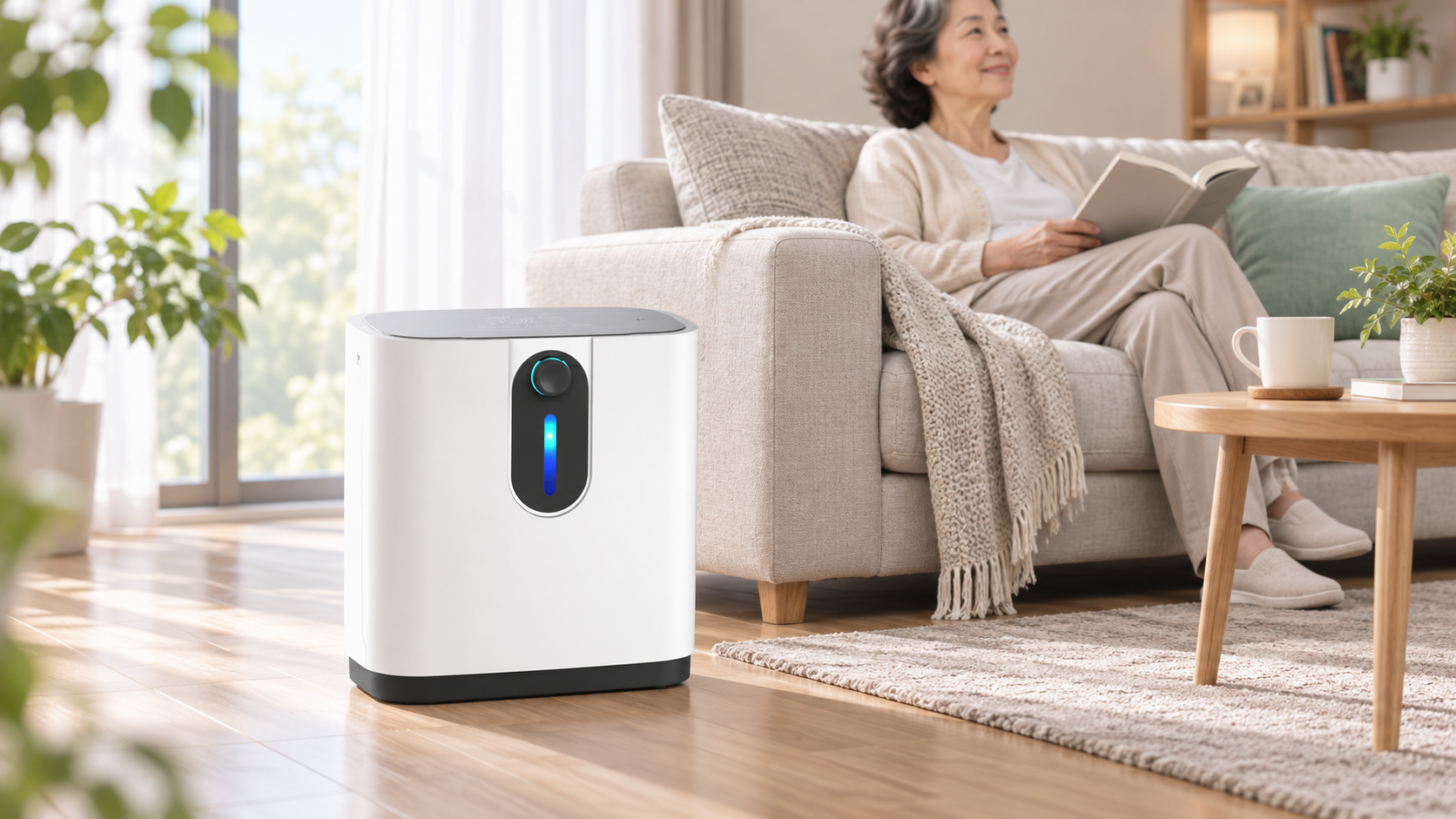
For distributors, hospitals, clinics, and home care suppliers, an oxygen concentrator is more than a device. It is a long-term service asset. Therefore, the real cost is not only the purchase price. It also includes oxygen concentrator maintenance, spare parts, labor, downtime, and molecular sieve replacement.
Provision Healthcare focuses on respiratory sleep and life health products, including oxygen concentrators, portable oxygen concentrators, ventilators, and related medical devices. For B2B buyers, knowing how maintenance cost and molecular sieve life work can help improve product planning, after-sales service, and customer trust.
Why Oxygen Concentrator Maintenance Matters
An oxygen concentrator works by drawing in air, filtering it, and separating oxygen from nitrogen. Because the machine runs for many hours, small issues can become costly if they are ignored.
Regular oxygen concentrator maintenance helps keep oxygen purity stable, reduce noise, protect the compressor, and extend oxygen concentrator service life. In addition, a clear maintenance plan can lower warranty pressure for dealers and service teams.
Basic maintenance usually includes cleaning or replacing filters, checking tubing, testing oxygen purity, checking alarms, and keeping the device away from dust, heat, and moisture. These steps are simple, but they have a direct effect on long-term performance.
What Is a Molecular Sieve?
The molecular sieve is the key material inside an oxygen concentrator. It traps nitrogen from the air and lets concentrated oxygen pass through. As a result, it plays a major role in oxygen purity.
However, the sieve does not last forever. Over time, moisture, dust, oil, and long running hours can reduce its ability to separate gases. When that happens, oxygen purity may drop, and the device may need service.
For this reason, molecular sieve life is one of the most important cost factors for B2B buyers. A longer sieve life can reduce after-sales claims, lower maintenance cost, and improve user satisfaction.
When Is Molecular Sieve Replacement Needed?
Molecular sieve replacement is usually needed when oxygen purity stays low after normal checks and cleaning. Before replacing it, service teams should first inspect the filter system, compressor pressure, tubing, valves, and airflow.
Common signs include reduced oxygen purity, weak output flow, frequent alarms, longer warm-up time, or unstable performance. In some cases, the machine may still run, but it cannot meet expected oxygen concentration levels.
Because replacement involves internal parts, it should be handled by trained service staff. This helps avoid air leaks, poor sealing, and repeat failures.
What Affects Oxygen Concentrator Service Life?
Oxygen concentrator service life depends on several daily-use factors. First, operating hours matter. A machine used all day in a clinic or rental fleet will age faster than one used only a few hours per day.
Second, the environment matters. Dusty, humid, or hot areas can shorten filter life and damage the molecular sieve. Therefore, good placement and clean air around the device are important.
Third, user habits matter. If filters are not cleaned or replaced on time, the compressor must work harder. As a result, heat rises, oxygen output may fall, and repair needs may increase.
Finally, product design and manufacturing quality also matter. For B2B buyers, choosing a reliable oxygen concentrator manufacturer helps reduce hidden service costs over the product life cycle.
Main Factors Behind Maintenance Cost
Maintenance cost usually includes filters, tubing, humidifier bottles, valves, compressor parts, molecular sieve replacement, labor, shipping, and downtime. For dealers and rental companies, downtime can be a major hidden cost because every inactive unit reduces service capacity.
In many cases, preventive maintenance costs less than emergency repair. For example, replacing filters on schedule is much cheaper than repairing a damaged compressor or replacing a sieve bed too early.
Therefore, B2B buyers should review not only the unit price but also the full service plan. A lower purchase price may not always mean lower total cost if spare parts are hard to get or service support is weak.
How B2B Buyers Can Reduce Long-Term Costs
To reduce maintenance cost, buyers should build a clear service system from the start. First, create a maintenance schedule based on usage hours and local conditions. Next, train dealers, technicians, and end users on basic cleaning and filter care.
Also, keep key spare parts in stock. This can include filters, tubes, humidifier bottles, sieve beds, and common service parts. As a result, repairs can be faster, and customer downtime can be shorter.
In addition, track each device by serial number, running hours, repair history, and oxygen purity test results. This simple record helps service teams find patterns and plan molecular sieve replacement before major failure occurs.
Why Supplier Support Is Important
For B2B buyers, supplier support has a direct impact on after-sales success. A strong supplier should provide stable product quality, clear technical documents, spare parts support, and practical guidance for service teams.
Provision Healthcare offers respiratory medical device products, including oxygen concentrators and portable oxygen concentrators, for global buyers. By working with a manufacturer that understands both product performance and service needs, distributors can better manage oxygen concentrator maintenance and long-term maintenance cost.
Final Thoughts
Oxygen concentrator maintenance is not just a repair task. It is part of product value, customer safety, and business planning. Molecular sieve life, filter care, operating environment, and service habits all affect oxygen concentrator service life.
For B2B buyers, the best approach is simple: choose reliable equipment, plan routine service, train local teams, and manage spare parts in advance. With the right system, molecular sieve replacement becomes a planned service step instead of an unexpected cost.


