An oxygen concentrator is a device that takes in ambient air, removes nitrogen through physical methods, and delivers medical-grade high-concentration oxygen. ## Working Principle of Oxygen Concentrators Using a molecular sieve as the adsorbent, the oxygen concentrator separates oxygen from nitrogen in the air through pressure swing adsorption (PSA) technology, thereby obtaining high-concentration oxygen. ## Two Types of Oxygen Concentrators Oxygen concentrators are available in two types: home oxygen concentrators and portable oxygen concentrators. ## How to Choose an Oxygen Concentrator There are several factors to consider when selecting an oxygen concentrator. ### 1. Oxygen Purity The oxygen purity of medical oxygen concentrators should be between 90% and 96%. ### 2. Flow Rate Home oxygen concentrators are divided into low-flow and high-flow types. ### 3. Noise Level If you plan to place the oxygen concentrator in your bedroom, we recommend choosing a low-noise oxygen concentrator. ### 4. Weight and Portability Portable oxygen concentrators are lightweight and easy to carry. ### 5. After-Sales Service When choosing an oxygen concentrator, it is also important to consider after-sales service. ## In Conclusion For patients with mild respiratory diseases
oxygen concentrator
2026/11/18
Reading volume: 0
News Details
An oxygen concentrator draws in room air, removes much of the nitrogen and delivers oxygen-enriched air, typically through a nasal cannula. A stationary unit can supply oxygen while connected to mains power, and a battery-powered portable model can support use away from an outlet. Choosing a unit starts with the prescribed oxygen delivery mode and flow, followed by where and how the device will be used.
How Does an Oxygen Concentrator Work?
Most oxygen concentrators use pressure swing adsorption (PSA). A compressor pushes room air through a molecular sieve bed that traps nitrogen, allowing oxygen-enriched air to pass through. The unit alternates between sieve beds so one can release trapped nitrogen while the other continues supplying oxygen. When comparing models, check the specified oxygen concentration at the flow the device will actually deliver.
Home Oxygen Concentrators
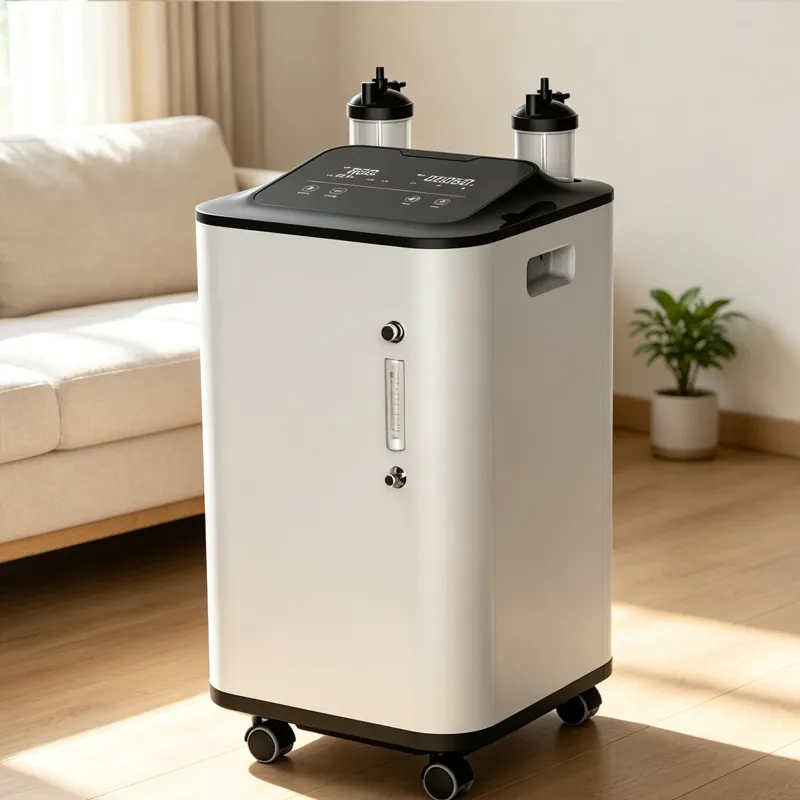
A stationary home oxygen concentrator typically runs on mains power and supplies oxygen at a continuous flow measured in liters per minute (L/min). ProVision Healthcare lists the ZY-5AW for home and clinical use, with an adjustable flow range of 0.5–5 L/min. For everyday use, compare the unit’s output at the prescribed flow, its operating noise and the maintenance needed to keep it running.
Portable Oxygen Concentrators
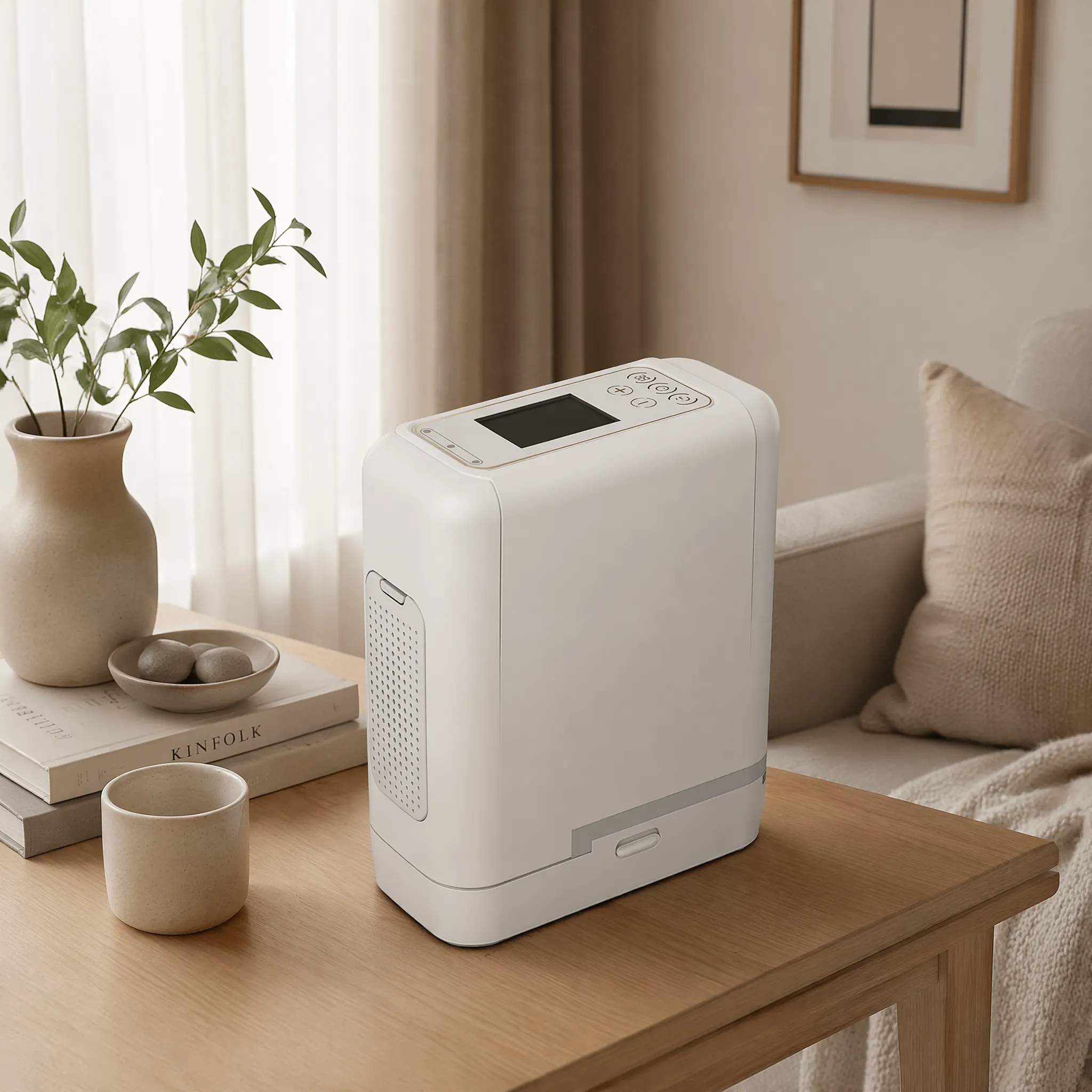
Portable oxygen concentrators can run on battery power for outings and travel. Pulse-dose models deliver a brief amount of oxygen when the user begins to inhale, while continuous-flow models deliver oxygen at a steady rate. A pulse-dose setting and a continuous-flow rate in L/min describe different types of delivery, so confirm the portable model and setting with the prescribing clinician. The ProVision KP-6S is a pulse-dose model. When comparing portable units, check battery runtime at the setting you will use and total carrying weight with the battery installed.
Oxygen Concentrators for Hospitals and Clinics
Clinical buyers should confirm the device’s intended use, rated flow, oxygen concentration at the required output, alarms and local service support. ProVision Healthcare lists the ZY-10ZW as a 10 L/min model for institutional and home care. If a facility plans to connect more than one patient, verify that the manufacturer explicitly supports that configuration and specifies the output available to each patient.
Oxygen Concentrator vs. Oxygen Tank
A concentrator needs electricity or battery power to produce oxygen from room air. An oxygen tank holds a finite supply of compressed oxygen and can deliver it through a regulator without mains power. For home oxygen therapy, ask your care team or oxygen supplier whether a backup cylinder should be part of your plan for a power outage or equipment failure. Follow the prescribed oxygen settings and consult your clinician before making changes.
For product specifications or a quote, share your intended care setting and required oxygen delivery mode and flow with ProVision Healthcare.
Share to:


 technology, thereby obtaining high-concentration oxygen. ## Two Types of Oxygen Concentrators Oxygen concentrators are available in two types: home oxygen concentrators and portable oxygen concentrators. ## How to Choose an Oxygen Concentrator There are several factors to consider when selecting an oxygen concentrator. ### 1. Oxygen Purity The oxygen purity of medical oxygen concentrators should be between 90% and 96%. ### 2. Flow Rate Home oxygen concentrators are divided into low-flow and high-flow types. ### 3. Noise Level If you plan to place the oxygen concentrator in your bedroom, we recommend choosing a low-noise oxygen concentrator. ### 4. Weight and Portability Portable oxygen concentrators are lightweight and easy to carry. ### 5. After-Sales Service When choosing an oxygen concentrator, it is also important to consider after-sales service. ## In Conclusion For patients with mild respiratory diseases)


