Portable Oxygen Concentrator Guide: Flow, Battery and Weight
What to compare in a portable oxygen concentrator: pulse dose or continuous flow, battery life at your setting, carrying weight and travel needs.
2026/11/27
Reading volume: 0
News Details
A portable oxygen concentrator produces oxygen-enriched air from the surrounding environment and operates on batteries, allowing it to be used without relying on a power supply. It is typically intended to complement a home oxygen system rather than substitute for continuous oxygen therapy. The following points outline key factors to consider when purchasing; the most important consideration is always the medical prescription.
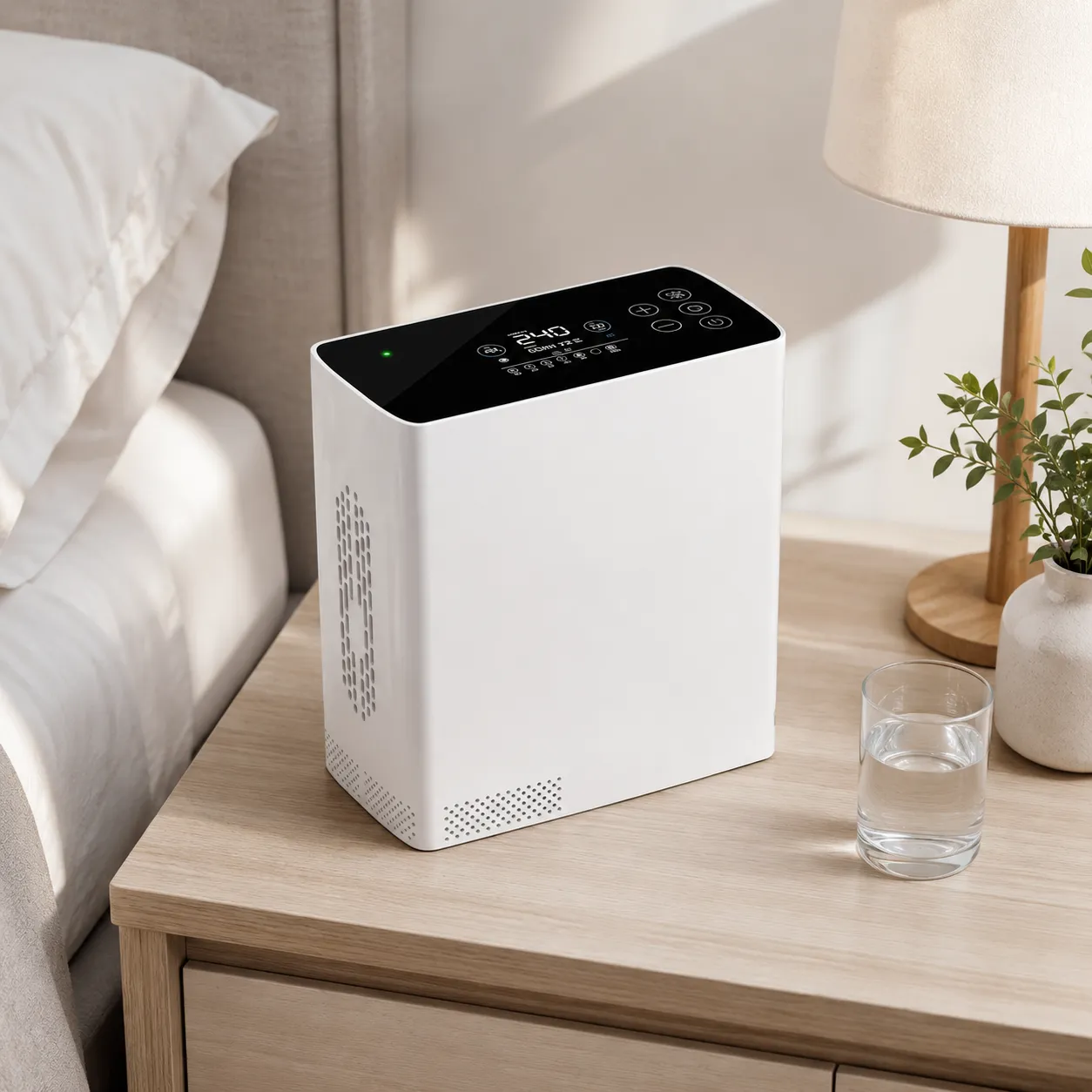
Pulse-Output Portable Oxygen Concentrators
Most portable oxygen concentrators operate in pulse-output mode: a sensor detects when the user inhales and releases a precise burst of oxygen at that moment. This design helps conserve battery life and is generally well-tolerated during daily activities. The number of adjustable settings is less critical than ensuring the device can meet the prescribed output, as pulse-output oxygen delivery is measured per breath rather than in liters per minute.
Continuous-Flow Portable Oxygen Concentrator
A continuous-flow portable oxygen concentrator delivers oxygen throughout the entire respiratory cycle, and is typically considered when oxygen is required during sleep or at a consistent flow rate. These devices are generally bulkier and heavier than pulse-output-only models. It is important to verify that the device can deliver the prescribed flow rate in liters per minute, not merely that it features a continuous-flow mode.
Battery Life of Portable Oxygen Concentrators
Battery life specifications are typically provided for a specific operational setting. A device that lasts for several hours at the lowest setting may have significantly shorter battery life at higher settings, and continuous-flow operation consumes power faster than pulse-output mode. Be sure to check the actual battery runtime at the setting you will use, confirm whether spare batteries are available for purchase, and verify that AC power adapters and car chargers are included with the device.
Lightweight Portable Oxygen Concentrator
A lightweight portable oxygen concentrator is easier to transport, but weight alone should not be the primary factor in your decision. Compare the total carry weight, including the battery and carrying case, the method of carrying the device, and whether it can be used comfortably while walking. Lighter devices may compromise on oxygen output or battery life, so your medical prescription should always guide the final choice.
Travel-Friendly Portable Oxygen Concentrator
When selecting a portable oxygen concentrator for travel, plan for the entirety of your trip: consider how long you will be away from a power source, how you will access charged batteries during transit, and what backup oxygen supply you will have available in case the device malfunctions. Airlines may require advance notice and have specific regulations for medical devices and spare lithium batteries, so be sure to check with your airline before booking your trip.
FAA-Approved Portable Oxygen Concentrator
If you are traveling by air within the United States, an FAA-approved portable oxygen concentrator is generally required, and most airlines in other regions follow similar requirements. This approval applies to the device model and its use on board, not to your clinical need for oxygen. Provision Healthcare offers portable models such as the KPA-8 Ultra-Lightweight Portable Oxygen Concentrator and the DN-BK12 Portable Oxygen Concentrator; a medical equipment supplier can help you determine which configuration aligns with your prescription.
Compare Portable Oxygen Concentrators from Provision Healthcare
Browse Provision Healthcare’s selection of portable oxygen concentrators, including the KPA-8 Ultra-Lightweight Portable Oxygen Concentrator and the DN-BK12 Portable Oxygen Concentrator. When inquiring about a device, be sure to provide the delivery mode (pulse output or continuous flow) and setting recommended by your healthcare provider. Request detailed specifications for the model, expected battery life at your prescribed setting, and available accessories, so you can discuss all options with your care team before making a purchase.
Share to:


