How to Use a Nebulizer Machine?
News Details
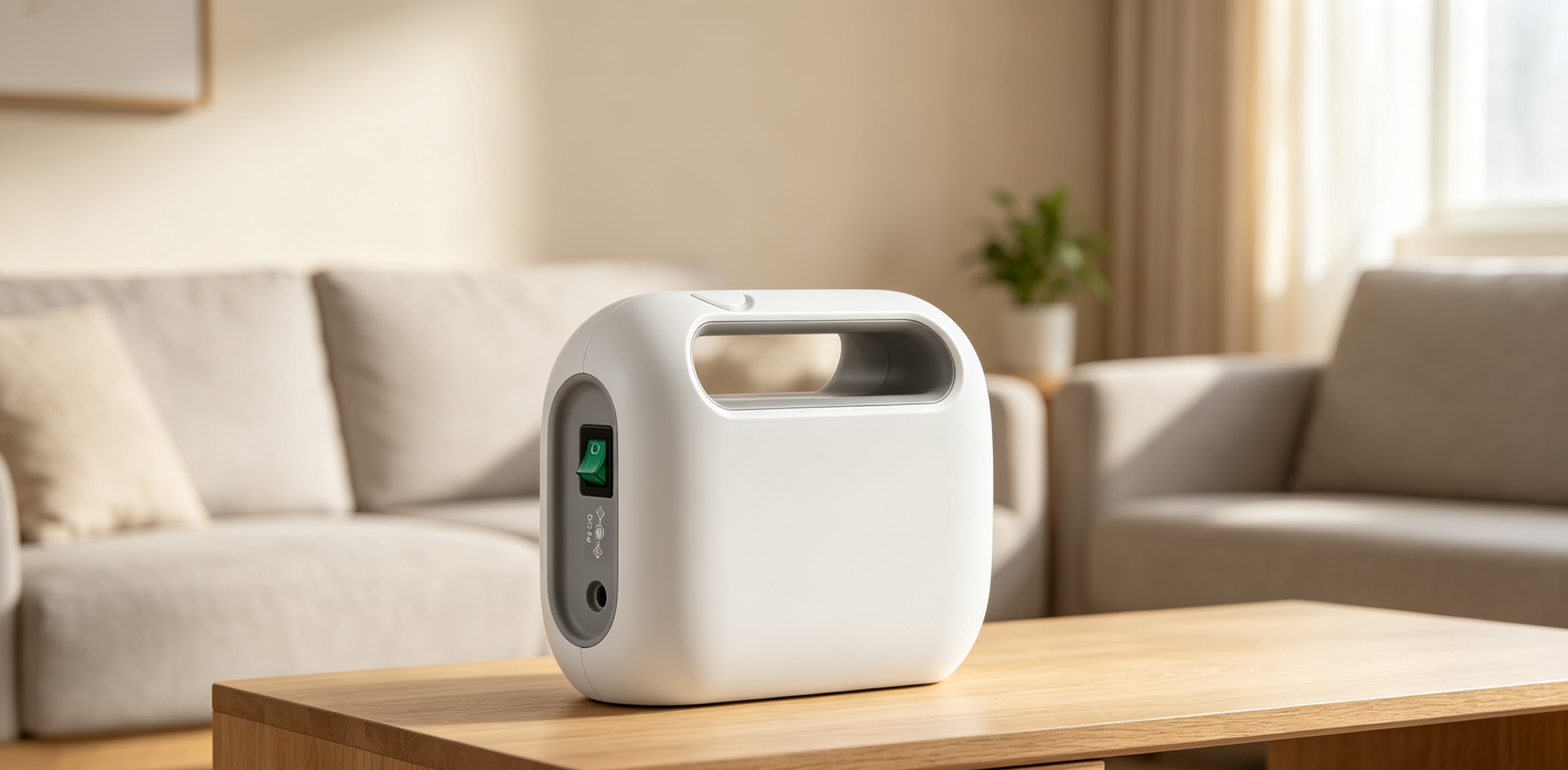
Effective respiratory care depends heavily on proper medical equipment setup. Whether you manage a medical supply business, oversee clinical inventory, or distribute home healthcare devices, knowing how to operate nebulization systems is vital.
This guide breaks down how to use a nebulizer safely, explains what these systems do, and details best practices for operating both the device and its essential accessories like the nebulizer mask.
What Is a Nebulizer and What Does It Do?
Before using the equipment, it helps to understand the underlying mechanics of liquid drug delivery.
What Is a Nebulizer?
A nebulizer machine is an electrically or battery-powered medical device that converts liquid medication into a fine mist. This mist moves through a tube into an oral mouthpiece or a nebulizer mask (also referred to in some international markets as a masker nebulizer), allowing patients to inhale treatment directly into their lungs.
What Does a Nebulizer Do?
So, what does a nebulizer do compared to a standard handheld inhaler?
While pressurized metered-dose inhalers require precise breathing coordination, a nebulizer continuous-flow system delivers medication automatically through normal, steady breaths. It breaks down liquid drugs into microscopic aerosols (typically 1 to 5 microns in size). This allows deep penetration into the lower respiratory tract to quickly relieve acute bronchial constriction, clear mucus, and treat chronic pulmonary conditions like asthma or COPD.
Key Components of a Medical Nebulizer System
A complete nebulization setup consists of four main parts:
-
The Nebulizer Compressor Unit: The primary pump device that forces compressed air through liquid medication.
-
Medication Cup (Reservoir): A small plastic chamber where prescribed liquid medicine is loaded.
-
Connecting Tubing: Flexible, non-toxic medical tubing that carries air from the compressor unit to the cup.
-
Interface (Nebulizer Mask or Mouthpiece): The nebulizer mask fits comfortably over the nose and mouth to prevent medicine leakage during treatment sessions.
Step-by-Step Guide: How to Use a Nebulizer
Following a consistent, clean routine keeps treatments effective and lowers the risk of contamination. Here is the step-by-step process on how to use nebulizer devices safely.
Step 1: Preparation and Hygiene
-
Wash hands thoroughly with warm water and soap for at least 20 seconds.
-
Place the main unit on a flat, stable surface near a power outlet.
-
Inspect the air filter on the machine to ensure it is clean and free from dust.
Step 2: Loading Medication
-
Open the medication cup attached to the fluid reservoir.
-
Measure the exact dose of prescribed liquid medication.
-
Pour the liquid directly into the cup and twist the cap tightly to prevent spills.
Step 3: Connecting the Tubing and Mask
-
Attach one end of the clear tubing to the air outlet on the main unit.
-
Connect the opposite end of the tubing to the bottom of the medication cup.
-
Secure the nebulizer mask or mouthpiece onto the top of the medication chamber.
Step 4: Administering the Treatment
-
Place the mask over the mouth and nose, adjusting the elastic strap for a snug, leak-free fit.
-
Turn on the power switch on the compressor. You should see a steady mist rising from the mask assembly.
-
Breathe in calmly, deeply, and slowly through the mouth. Hold each breath for 2 to 3 seconds before exhaling when possible.
-
Continue the session until the medication cup is empty (usually 10 to 15 minutes). The cup will make a slight sputtering sound when treatment is complete.
Cleaning and Maintenance Best Practices
To maintain device longevity and protect patient hygiene, clear maintenance protocols are necessary after every treatment cycle.
-
Daily Cleaning: Disconnect the mask, medicine cup, and tubing. Wash the cup and mask in warm, soapy water, rinse thoroughly with clean water, and let them air dry completely on a clean towel.
-
Tubing Care: Do not wash the inner lumen of the long air tubing. If condensation builds up inside, attach it to the compressor and run air through it for a few minutes while empty.
-
Disinfection Protocol: Once or twice a week, soak non-disposable masks and cups in a solution of one part white vinegar to three parts hot water for 30 minutes, then air dry.
Sourcing Quality Respiratory Equipment
Providing reliable, high-grade respiratory hardware ensures safe treatments and consistent performance. For medical facilities, distributors, and home care providers, working with established suppliers simplifies sourcing and guarantees quality compliance.
To explore full-line respiratory support products—including oxygen concentrators, CPAP/BiPAP units, and specialized accessories—visit Provision Healthcare.


