What's the Difference Between a Nebulizer vs. Inhaler?
News Details
Respiratory conditions such as asthma, COPD, and bronchitis affect millions of patients worldwide. To deliver medication straight into the lungs, healthcare providers rely heavily on two main medical devices: inhalers and nebulizers. Although both devices treat similar breathing conditions, they differ significantly in design, operation, and patient suitability.
For medical distributors, clinics, and equipment buyers sourcing from trusted suppliers like Provsion Healthcare, understanding these distinctions is vital. This guide breaks down how each device functions to help you select the best respiratory equipment for your inventory or clinical needs.
What Is a Nebulizer?
To evaluate these devices accurately, we must first answer a basic question: what is a nebulizer?
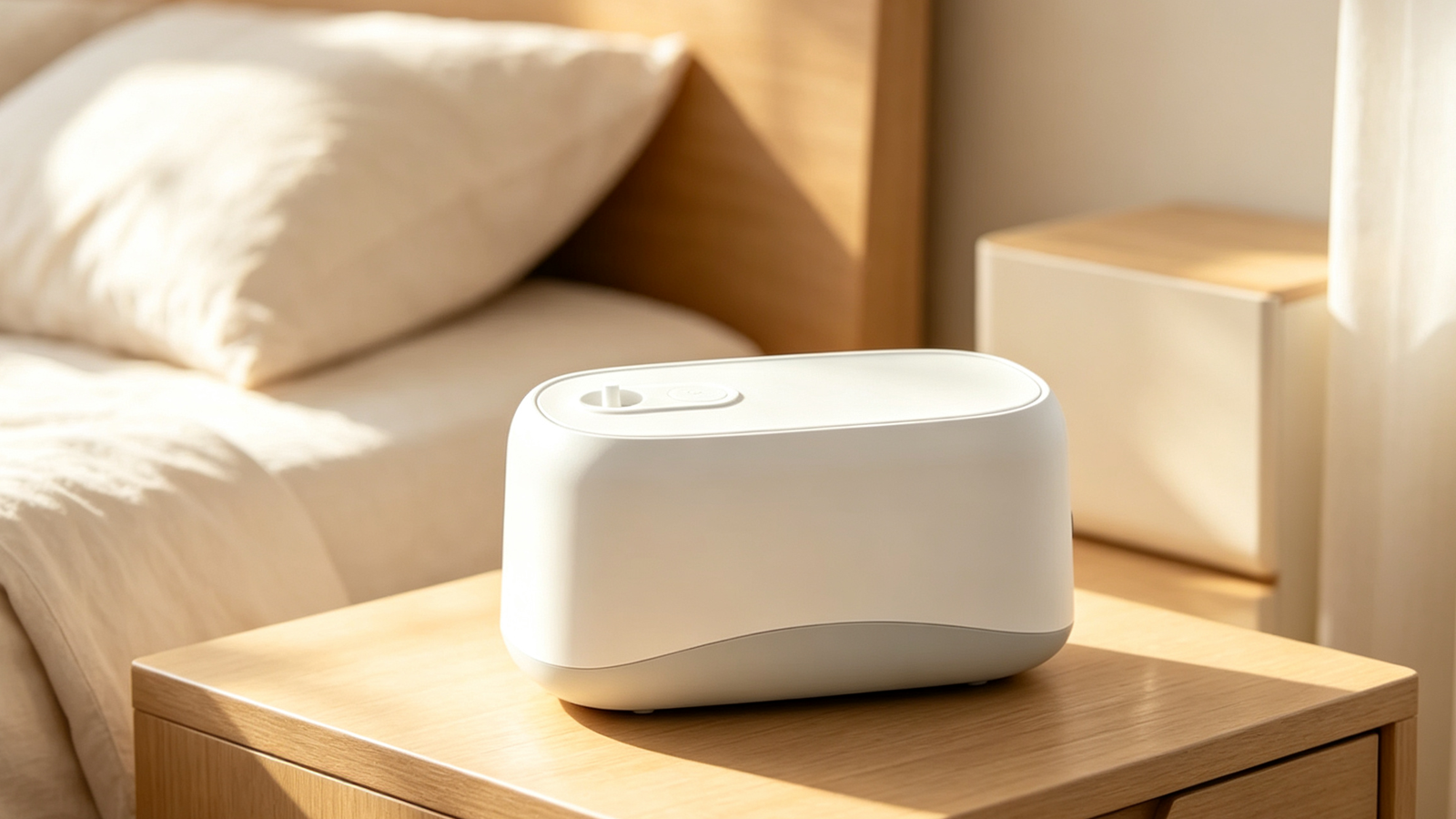
A nebulizer machine is an electrically or battery-powered medical device that converts liquid medication into a fine mist. Consequently, patients can inhale the medicine easily through normal, steady breathing.
Unlike handheld inhalers that require sharp breath coordination, a nebulizer works continuously over several minutes. As a result, it serves as an ideal solution for infants, elderly patients, and individuals experiencing severe respiratory distress.
What Does a Nebulizer Do?
So, what does a nebulizer do in terms of therapeutic care?
-
Delivers Deep Lung Hydration: The machine breaks down liquid formulas into micro-droplets that penetrate deep into the lower airways.
-
Eliminates Complex Breathing Techniques: Patients do not need to time their inhalations with a manual press. They simply wear a nebulizer mask or mouthpiece and breathe naturally.
-
Provides Stable Dosing: Because the mist flows continuously, patients receive a full therapeutic dose even if their lung capacity is temporarily weakened.
What Is an Inhaler?
In contrast to a full nebulizer setup, an inhaler is a small, portable, hand-held device. It delivers a pre-measured dose of medication directly into the lungs in a quick puff.
Inhalers come in two main categories:
-
Metered-Dose Inhalers (MDIs): These use a chemical propellant to push out a quick burst of aerosol medication.
-
Dry Powder Inhalers (DPIs): These deliver medication in dry powder form when the patient takes a fast, deep breath.
Because inhalers fit easily into a pocket or purse, they remain the preferred choice for quick-relief emergency treatment on the go.
Key Differences Between a Nebulizer vs. Inhaler
While both devices target the lungs, several clear operational differences set them apart:
| Feature | Nebulizer Machine | Standard Inhaler |
| Portability | Requires power supply or rechargeable battery; larger footprint | Pocket-sized and lightweight |
| Treatment Time | Takes 5 to 15 minutes per session | Requires only a few seconds per dose |
| Patient Effort | Low effort; requires only normal, gentle breathing | High coordination needed to press and inhale simultaneously |
| Attachments | Uses a masker nebulizer face mask or mouthpiece | Uses an integrated mouthpiece |
| Ideal Users | Pediatrics, elderly care, severe respiratory attacks | Active adults, older children, mobile patients |
How to Use Nebulizer Equipment Safely
Proper operation ensures patients receive the full benefit of their medication. Here is a clear guide on how to use nebulizer systems step-by-step:
-
Wash Hands Thoroughly: Always clean your hands with soap and water before handling medical equipment.
-
Prepare the Liquid Medication: Measure the prescribed dose and pour it into the nebulizer cup.
-
Attach the Face Interface: Securely connect the mouthpiece or nebulizer mask (often referred to as a masker nebulizer set) to the cup.
-
Connect the Tubing: Attach one end of the flexible air tubing to the compressor base and the other end to the cup.
-
Turn On the Unit: Switch on the power button. Look for a steady, visible mist flowing from the mask.
-
Inhale Steadily: Place the mask comfortably over the nose and mouth. Sit upright and breathe slowly until all medication is consumed.
Choosing the Right Device for Your Medical Facility
Selecting between inhalers and nebulizers depends entirely on patient demographics and clinical settings. For instance, emergency rooms and pediatric clinics require reliable nebulizer units to treat patients who cannot use manual inhalers.
At Provision Healthcare, healthcare professionals and medical buyers can explore durable, high-performance respiratory solutions designed for hospitals, care centers, and home health providers. Equipping your facility with the right balance of portable inhalers and high-efficiency nebulizers ensures complete care for every patient condition.


